Leave a Message

Thank you for your message. I will be in touch with you shortly.

Condo Or Cottage? Second-Home Choices In Newport County

Dreaming of easy Newport weekends, but not sure if a turnkey condo or a classic cottage fits you best? You are not alone. In Newport County, your second-home choice shapes everything from monthly carrying costs to rental flexibility and storm prep. This guide walks you through the real tradeoffs so you can buy with clarity and confidence. Let’s dive in.

Quick snapshot: condo vs cottage

Condos

  • Lower day-to-day upkeep and easier winter care.
  • HOA typically covers exterior work and common areas.
  • Rules can limit short-term rentals and renovations.
  • Risk of higher dues or special assessments if reserves are low.

Cottages

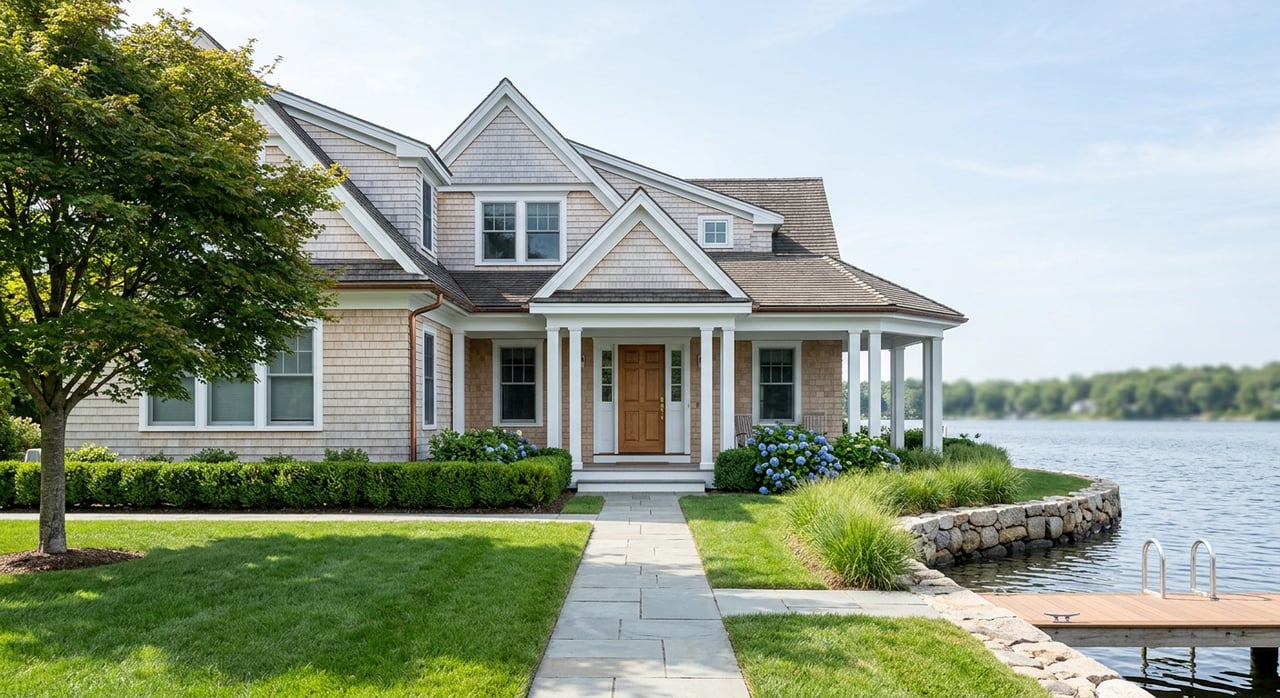
  • Privacy, outdoor space, and room to personalize.
  • More hands-on maintenance, especially near the coast.
  • Potentially stronger rental appeal if unique or near beaches and marinas.
  • Insurance and flood exposure can be higher on shoreline parcels.

What ownership really costs

Mortgage and financing

  • Decide if you will use a second-home mortgage or an investment loan. Investment financing may require a larger down payment and a higher rate.
  • Lenders consider intended use, rental plans, and your debt-to-income. Confirm details with a local mortgage pro early.

Property taxes

  • Tax rates vary by town across Newport, Middletown, Portsmouth, Jamestown, Tiverton, and Little Compton. Use the municipal assessor’s site to check assessed value and rates for any address you are considering.

Insurance and flood

  • Condo buyers typically carry an HO-6 policy for interior coverage and should review what the master policy covers versus owner responsibility.
  • Cottage buyers carry full dwelling and liability coverage, often with coastal endorsements. If a property sits in a FEMA Special Flood Hazard Area, lenders usually require flood insurance.
  • Coastal policies can change your monthly numbers. Obtain quotes early and ask about wind and water exclusions or endorsements.

HOA dues and assessments

  • Typical inclusions: exterior maintenance, grounds, master insurance, and reserves. Always request the HOA budget, reserve study, insurance declarations, recent meeting minutes, and assessment history.
  • Low reserves or big upcoming projects can lead to special assessments. Build a cushion for volatility.

Utilities and running costs

  • Cottages: budget for heating fuel, electricity, water and sewer or septic maintenance, trash, internet, pest control, and seasonal winterization.
  • Condos: confirm which utilities are included in dues. Some communities include trash or hot water, others do not.

Maintenance and capital expenditures

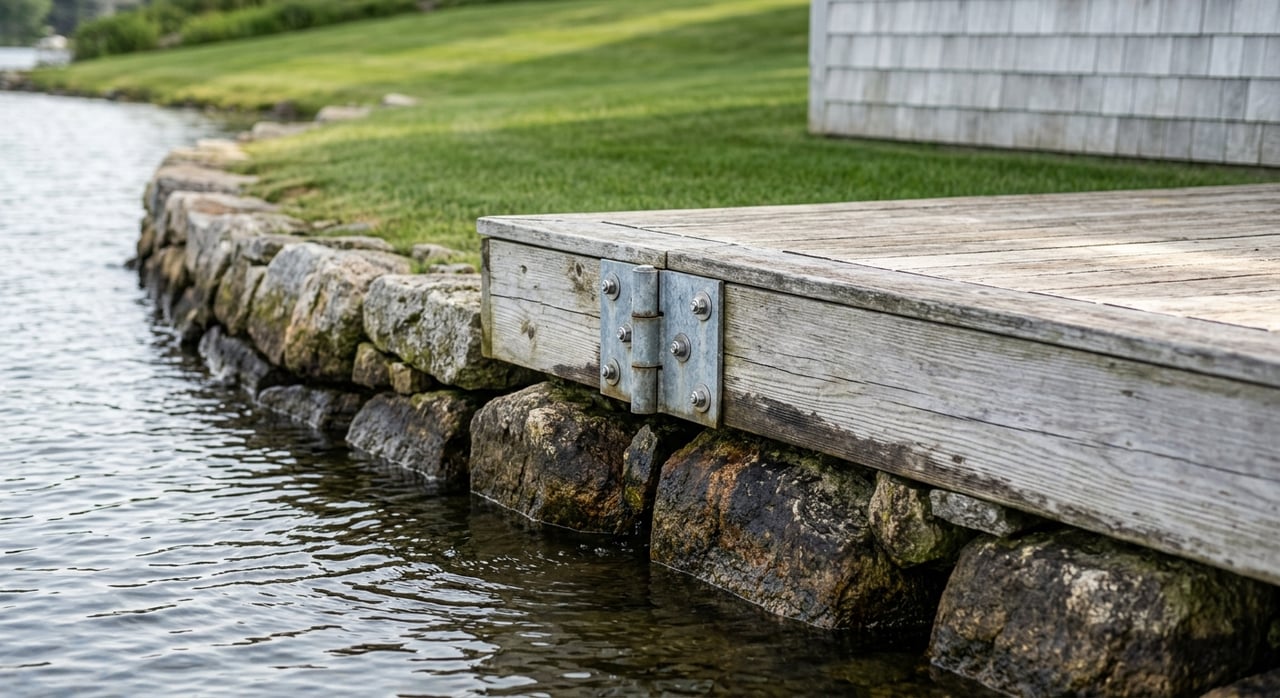
  • Coastal salt air, humidity, and winter storms increase wear on exteriors, windows, metal fixtures, and decks.
  • Older cottages may need system upgrades over time. Plan for roof, siding, HVAC service, and moisture control.
  • Condos reduce exterior work but you are still responsible for interior upkeep and any co-insurance exposure.

Property management and vacancy

  • If you plan to rent, price in management fees, cleaning, linen service, and booking costs. Short-term managers often charge a percentage of revenue.
  • Absentee owners should budget for winter checks, snow removal, and emergency call-outs.

Annual carrying cost worksheet

Build this for each property you tour:

  • Mortgage principal and interest
  • Property taxes
  • Insurance: homeowners or HO-6, liability, and flood
  • HOA dues and any special assessments
  • Utilities you pay directly
  • Maintenance reserve
  • Property management and cleaning
  • Vacancy allowance if renting
  • Short-term rental registration and lodging taxes if applicable
  • Transportation and storage for seasonal items

Maintenance and seasonality on the coast

Coastal exposure and durability

  • Expect more frequent painting, trim and deck repairs, window maintenance, and metal corrosion from salt air.
  • Plan for stronger dehumidification and HVAC servicing in older buildings, especially during humid months.

Age and upgrades

  • Many freestanding cottages predate modern systems. Budget for electrical, plumbing, insulation, and window improvements over time.
  • Condos may have newer systems, but shared elements like roofs and siding depend on HOA reserves and planning.

Winterization and access

  • Cottages often require seasonal shutdowns: water off, furnace checks, and rodent proofing. Reopening in spring adds time and contractor coordination.
  • Condos streamline winter logistics with common-area snow removal and building staff or service vendors.

Storage and systems

  • Cottages provide flexible storage for kayaks, bikes, and boating gear. Verify off-season access and parking rules.
  • Confirm septic versus sewer. Septic care is an ongoing cost and can be part of sale contingencies in some towns.

Condo HOA health check

What to review

  • Master insurance declaration and coverage limits.
  • Current budget and reserve study to gauge savings versus future projects.
  • Recent meeting minutes, litigation disclosures, and any special assessments.
  • Rules on rentals, pets, parking, and renovations.

Common risks

  • High dues or big one-time assessments if reserves are thin.
  • Deferred maintenance on roofs, siding, or decks can lead to cost spikes.
  • Rental rules may limit short-term stays or set minimum durations.

Rental rules and restrictions

  • Many HOAs restrict short-term rentals or require minimum stays. Verify bylaws before you assume rental income.
  • Ask about owner occupancy requirements and any seasonal caps on rentals.

Renting your second home

Demand patterns

  • Newport County rental demand is highly seasonal. Event weeks and summer months near downtown Newport, beaches, and marinas often command premium rates.
  • Shoulder season bookings vary by town and proximity to attractions like the Cliff Walk and yacht clubs.

Regulations and taxes

  • Check each town’s short-term rental registration, safety, and zoning rules. Some municipalities require licensing or impose limits.
  • Confirm state and local lodging taxes and who must collect and remit them.

Operating costs and insurance

  • Include management fees, cleaning, linen service, utilities, consumables, and platform commissions.
  • Ensure your insurance covers short-term rentals or secure a policy that does. Plan for safety items like smoke and CO detectors and fire extinguishers.

Ways to boost profitability

  • Update kitchens and baths, add strong Wi-Fi, streamline parking, and highlight walkability or water access.
  • Professional photos and clear house rules improve conversion and reduce wear-and-tear issues.

Site-specific coastal risks to evaluate

Flood zones and insurance

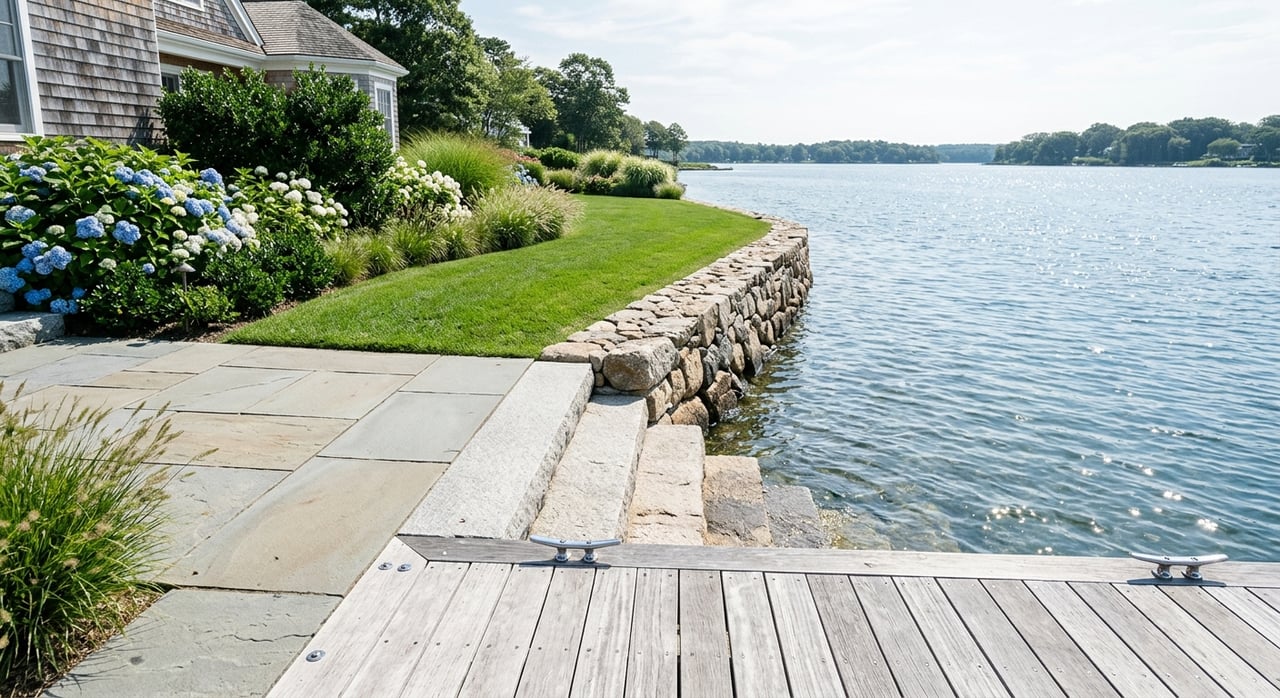
  • Many shoreline parcels carry storm surge and sea level risks. Identify the FEMA flood zone and check base flood elevation. Use the FEMA Flood Map Service Center to review maps and download data.

Erosion, seawalls, and permits

Storm access and resilience

  • Consider elevation, utility resilience, and evacuation routes. These factors influence insurability and rental desirability during shoulder seasons.

Long-term sea level scenarios

How to decide: a simple framework

Ask yourself:

  • How often will you visit and in which seasons?
  • Do you need year-round access, parking, and storage?
  • Will you rent the property short-term, long-term, or not at all?
  • How hands-on do you want to be with maintenance and vendors?

If you value convenience

  • A condo often fits. You benefit from shared maintenance, easier winter care, and potential amenities.
  • Verify HOA financial health, the master insurance scope, and rental rules.

If you value privacy and flexibility

  • A cottage may suit you. You gain outdoor space and customization potential, with higher maintenance and possibly higher insurance.
  • Plan for seasonal tasks and confirm septic, flood, and coastal exposures.

Hybrid ideas

  • A smaller, low-upkeep cottage in a maintenance-friendly area.
  • A condo near marinas or beaches that still offers storage for your gear.
  • Co-ownership models can work if you align on use, financing, and management.

What to gather before you write an offer

Documents to request

  • Condo: HOA budget, reserve study, bylaws and rules, master insurance declarations, recent minutes, and assessment history.
  • Cottage: recent inspection reports, septic records, elevation certificate if available, and contractor bids for known items.
  • Both: title search, survey, seller disclosures, and prior insurance claims history.

Local experts to consult

  • Real estate agent with second-home and rental experience in your target town.
  • Mortgage broker familiar with second-home and investment lending.
  • Insurance broker with coastal and flood expertise.
  • Property manager for seasonal demand and operating cost guidance.
  • Building inspector or coastal engineer for seawalls and erosion issues.
  • Municipal planning or zoning office for rental licensing and use rules.

Choosing between a condo and a cottage in Newport County comes down to how you live, how much time you want to spend on upkeep, and how you plan to use the home. With the right due diligence on insurance, HOA health, and rental rules, you can enjoy the coast on your terms. Ready to explore properties that fit your lifestyle and budget? Connect with Cheryl Finley for boutique, waterfront-savvy guidance tailored to you.
FAQs

Which is cheaper to own in Newport County: a condo or a cottage?

  • It depends on HOA dues, insurance and flood costs, maintenance, and taxes, so compare full carrying costs for each specific property rather than assuming.

How does flood insurance affect affordability near Newport’s coast?

  • If a home lies in a FEMA Special Flood Hazard Area, flood insurance is typically required and can materially change monthly costs, so get quotes early.

Do most Newport County HOAs allow short-term rentals?

  • Many HOAs restrict or limit short-term rentals, so review bylaws and meeting minutes before counting on rental income.

What annual maintenance should I budget for a coastal cottage?

  • Coastal conditions increase wear, so set aside a healthy annual reserve for exterior upkeep, HVAC service, moisture control, and seasonal open-close tasks.

What financing differences should second-home buyers expect?

  • Second-home mortgages differ from investment loans in down payment, rates, and underwriting, and lenders weigh intended use and rental plans.

How can I quickly assess a condo HOA’s financial health?

  • Review the budget, reserve study, master insurance, and recent minutes to spot low reserves, deferred projects, litigation, or assessment risks.

Work With Cheryl

Looking to buy, sell, or just have a question? I'm always available to help and would love to work with you. Contact me today to start your home searching journey!

FOLLOW ME