Water sells lifestyle. When you list a luxury waterfront home in Fairfield County, you are not just selling square footage. You are offering light, views, privacy, and access to the water. If you want top results, you need a precise plan that showcases the lifestyle while removing friction for serious buyers. In this guide, you will learn how to position your property, choose the right timing, prepare key documents, and launch with targeted distribution that reaches qualified buyers. Let’s dive in.
Know your buyer pool
Coast, lake, and river differences
Fairfield County features Long Island Sound coastline, tidal inlets, and a rich network of inland lakes like Candlewood Lake and Lake Lillinonah. Nearby Dutchess and Putnam counties in New York add Hudson River and tributary properties to the mix. Each water type attracts different buyers and requires tailored marketing.
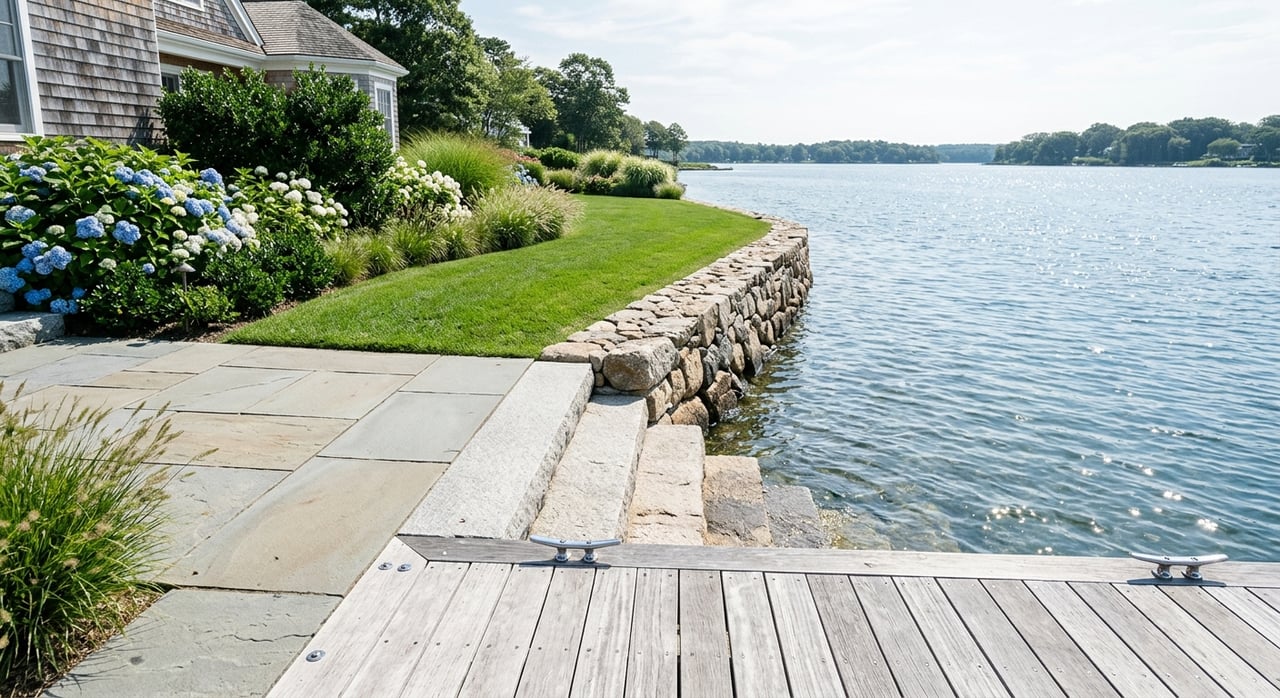
- Coastal homes often emphasize seawalls, bulkheads, and tidal awareness.
- Lake homes highlight dock depth, boathouses, and seasonal recreation.
- Riverfront homes focus on river views, dock approvals, and any tidal considerations.
Your strategy should match your shoreline type, access, and the activities a buyer can enjoy.
What luxury buyers prioritize
High-end waterfront buyers tend to look for a few non-negotiables:
- Unobstructed views, smart window placement, and outdoor living areas.
- Boat access details like dock permits, water depth, and maintenance records.
- Shoreline condition and erosion or stabilization history.
- Practical features such as year-round access, parking, HVAC, insulation, and generator.
- Risk clarity, including flood zone status and insurance history.
- Proximity to marinas, clubs, private beaches, and neutral school district information.
Seasonality and demand patterns
Late spring through early fall is often prime showing season for waterfront homes. Landscapes are lush, water access is open, and twilight photos shine. Spring listings also align with school-year moves for many families. Winter has advantages too, including fewer competing listings and more motivated buyers. Remote work has softened strict seasonal patterns, so confirm current local demand with fresh MLS data before you set your launch date.
Position your property for impact
Stage for views and flow
Your staging should draw the eye to the water and make indoor-outdoor living feel effortless.
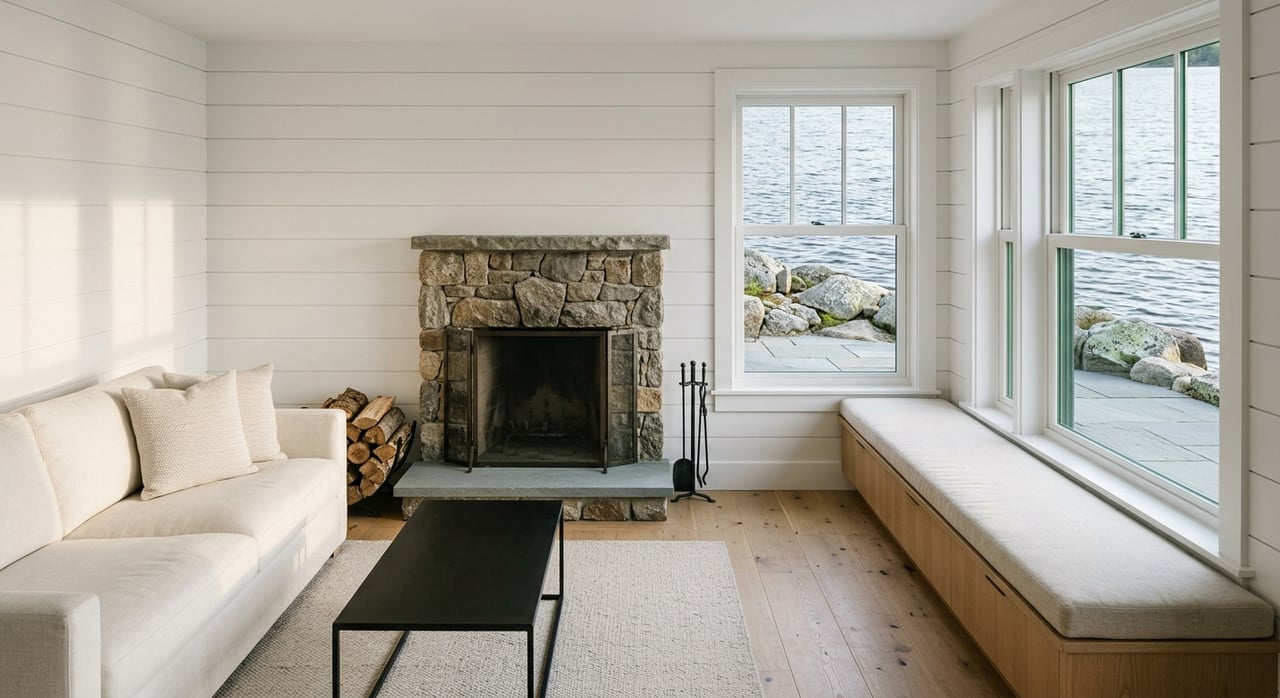
- Use light, neutral palettes and minimal window coverings so the views lead.
- Arrange furniture to open view corridors and smooth paths to decks and docks.
- Stage outdoor zones for dining, lounging, and firepit evenings to show year-round use.
- Remove clutter and personal items to create scale and calm.
- If the home is seasonal, stage for peak season while showing year-round comfort.
- Invest in landscape cleanup, exterior power-washing, dock polishing, and minor repairs to reduce inspection friction.
Photography that sells the lifestyle
High-caliber visuals are non-negotiable for luxury.
- Commission high-resolution interiors and exteriors with wide-angle lenses used carefully.
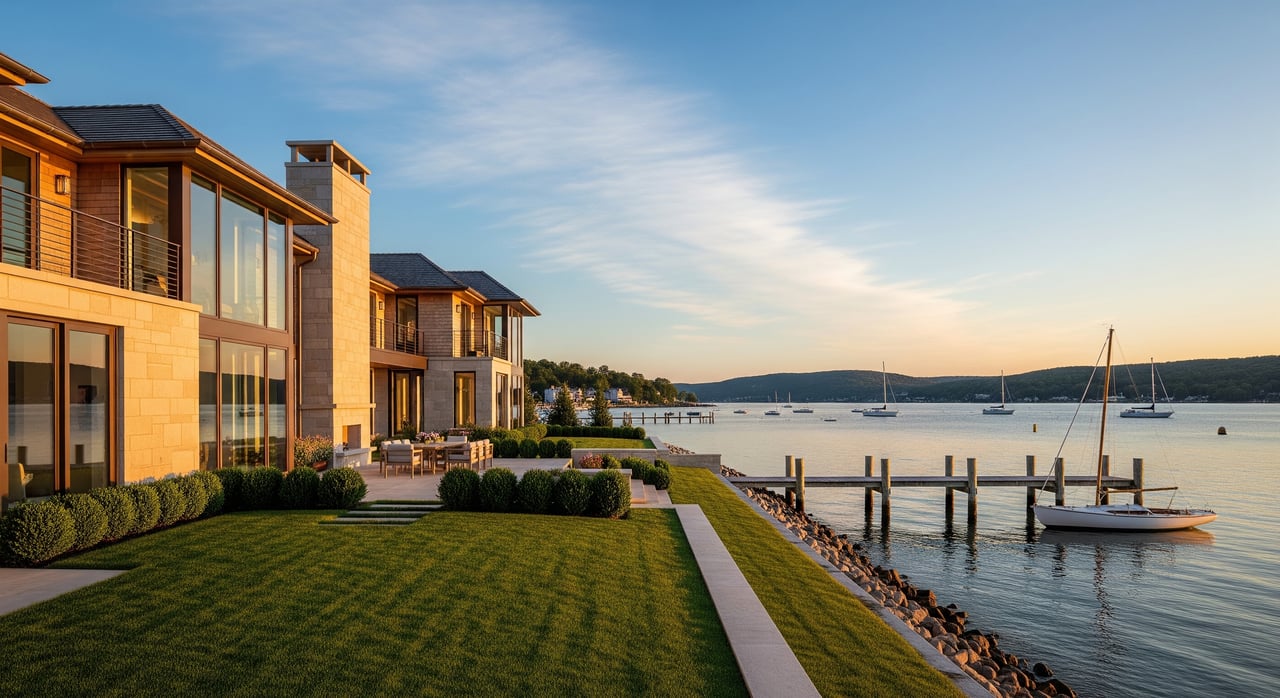
- Capture twilight images that showcase reflections and warm lighting.
- Add drone photography to show shoreline position, privacy, and proximity to marinas.
- Request vertical images and social-friendly crops for ads and reels.
- Use virtual staging only when needed and disclose it clearly.
Video, 3D, and floor plans for reach
Short, compelling media expands your buyer pool and pre-qualifies showings.
- Create a 1 to 2 minute lifestyle film that highlights water access, entertaining spaces, and the approach.
- Use drone video to show the property from street to shoreline where permitted.
- Offer a 3D walkthrough plus floor plans and room measurements for remote buyers.
- Produce 15 to 30 second vertical clips for social advertising and stories.
Tell a clear, compelling story
Lead with the lifestyle and specifics
Start your listing copy with the experience, then quantify it. Replace generic adjectives with precise facts.
- Instead of “beautiful waterfront,” use specifics like “200 feet of private shoreline, recently updated seawall, and a 30-foot slip.”
- Call out architect names, designer finishes, and any unique property history if applicable.
Give operational facts upfront
Serious buyers want clarity early. Share the details that affect offer strength and timing.
- Septic or sewer, well or municipal water.
- Flood zone status, elevation certificate details if available, and insurance history.
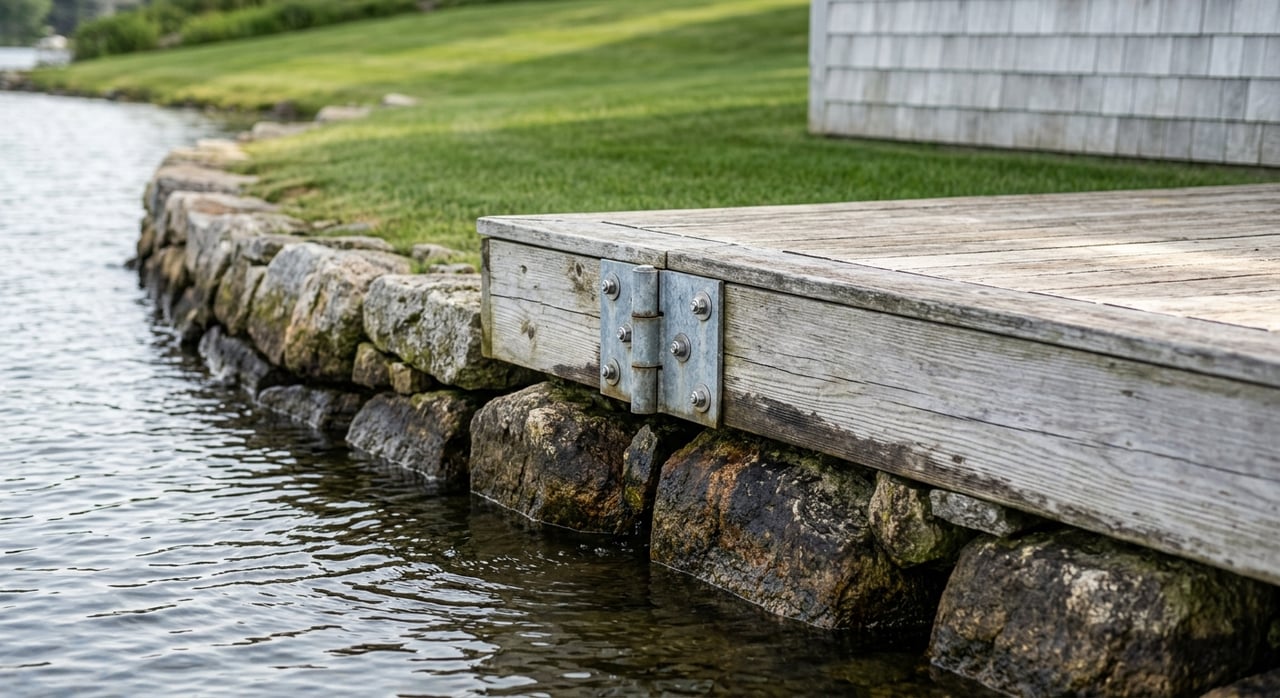
- Dock permits, seawall maintenance records, and any shoreline stabilization measures.
- Recent renovations with dates and invoices.
Context buyers value
Keep it neutral and practical.
- Name the school district in a factual way only.
- Outline travel convenience using time-based commute guidance.
- Note nearby marinas or membership options when relevant.
Price and launch with intention
Price with waterfront comps
Waterfront premiums vary widely by shoreline type, view quality, and access. Base your pricing on recent sales from the same waterbody and similar shoreline characteristics. Plan for potential inspection allowances and insurance considerations that can affect net proceeds and buyer appetite. Many luxury sellers also consider a pre-listing home inspection, septic report, and updated survey or elevation certificate to reduce uncertainty.
Timing windows and events
Spring to early fall typically maximizes curb appeal and on-water access. Broker previews, invitation-only twilight events, and a coordinated print and digital launch can deliver strong early momentum. For privacy-sensitive situations, discuss pre-market options, but weigh them against the reduced exposure and smaller buyer pool.
Privacy options, pros and cons
Selective showings and off-market testing can help protect privacy. The trade-off is a narrower audience and potentially longer time to the right offer. Align the approach with your goals and timeline.
Prepare your documents early
Flood, shoreline, and permits
The best luxury listings pair beautiful visuals with complete documentation.
- Confirm flood zone status and assemble elevation certificates if available.
- Provide flood insurance claim history when applicable.
- Gather coastal or lake permits, bulkhead or seawall permits, and dock approvals.
- Summarize shoreline stabilization measures and any known erosion history.
Title, access, and utilities
Buyers will ask about rights, shared structures, and infrastructure.
- Verify riparian rights, access and view easements, and any HOA or conservancy rules.
- Provide agreements for shared roads, docks, or pump stations.
- Share septic inspections, pumping records, and well water tests.
- Note generator presence and utility details, and identify any available public hookups.
State disclosures and environmental
Connecticut and New York have different disclosure requirements, and waterfront properties often trigger additional items related to flood risk, known defects, potential lead paint, and oil tanks. Remediation documentation for any past environmental issues helps reduce risk later. Coordinate with your listing broker and local counsel to ensure full compliance.
Distribution that reaches real buyers
Boutique service plus global reach
High-end properties benefit from both a tailored approach and broad exposure. Coldwell Banker offers a Global Luxury platform and wide syndication partnerships that place your listing in front of qualified audiences, while a boutique practice ensures concierge-level preparation and communication. This combination is designed to maximize visibility without sacrificing care and precision.
Targeted digital, print, and events
A smart plan focuses on the right buyers and the right channels.
- MLS exposure and targeted campaigns to feeder markets like NYC, Westchester, Fairfield and Greenwich, and Boston.
- Email outreach to curated luxury buyer lists, relocation contacts, and local lifestyle networks including yacht and boating communities.
- Paid social ads with precise geo and interest targeting, A-B testing, and short-form video content.
- Bespoke property brochures, direct mail to high-net-worth neighborhoods, and memorable broker events.
Metrics you should see
Request transparent reporting that ties activity to outcomes.
- Digital: impressions, click-through rates, video engagement, and lead geography.
- Traditional: private showings, broker previews, and open house quality.
- Transactional: days on market, number of offers, sale-to-list ratio, and time to close.
- ROI: marketing spend compared to buyer activity and offers.
Sample pre-listing timeline
- Weeks 0 to 1: Walk-through, review waterfront comps, align on pricing and strategy.
- Weeks 1 to 3: Schedule inspections and tests, complete light repairs, landscape refresh, dock and exterior prep, and staging.
- Week 3: Professional photography, drone, video, 3D tour, floor plans, and brochure design.
- Week 4: Listing goes live with coordinated digital and print launch, broker preview, and invited twilight event.
- Weeks 4 to 12: Active marketing, showings, feedback loops, negotiation, and due diligence.
Quick checklists
Pre-listing documents to gather
- Recent survey, property deed, and title information.
- Septic inspection and service records, well water test results.
- Elevation certificate if applicable, flood insurance history.
- Shoreline permits, dock approvals, bulkhead or seawall documentation.
- Recent inspection reports, renovation invoices, and maintenance logs.
- HOA or shared-maintenance agreements.
Visual deliverables to require
- HDR interior and exterior photos, including twilight.
- Drone photography and aerial video.
- 3D walkthrough and floor plans with measurements.
- Short lifestyle video and social-ready clips.
- Dedicated property website and printed brochure for showings.
Questions to ask your agent
- What recent waterfront sales have you handled on this lake or shoreline, and what were the results?
- Which visuals will you produce, who pays for them, and what is the timeline?
- How will you syndicate to luxury networks and reach feeder markets?
- Who is the most likely buyer for my property, and what targeted outreach will you run?
- What pre-listing inspections and documents do you recommend and why?
- How will you report activity and adjust strategy if needed?
- What privacy options exist, and what are the trade-offs?
Why work with a waterfront specialist
Waterfront property is personal and technical. You want an advisor who understands docks, permits, flood zones, lake authority rules, and how to translate lifestyle into measurable value. A boutique approach ensures attentive preparation, while national brokerage resources deliver broad visibility. In Western Fairfield County, knowledge of the Candlewood Lake corridor, Squantz Pond, and surrounding communities adds crucial on-the-water context that generalists often miss.
Ready to design a tailored plan for your waterfront home and hit the market with confidence? Connect with Cheryl Finley to Schedule Your Personal Consultation.
FAQs
How is pricing a Fairfield County waterfront home different?
- It relies on recent comps from the same waterbody and similar shoreline type, not just nearby inland sales, and must factor flood and dock-related considerations.
When is the best time to list a waterfront home in Fairfield County?
- Late spring through early fall typically shows best for visuals and access, though winter can bring motivated buyers and less competition.
What documents will buyers expect for docks and seawalls?
- Dock permits or approvals, seawall or bulkhead permits, maintenance records, and any shoreline stabilization or erosion documentation.
How do flood zones and insurance affect my sale?
- Flood zone status and insurance availability or cost influence buyer confidence and affordability, so provide elevation certificates and claim history when applicable.
Should I do a pre-listing inspection for a luxury waterfront home?
- Yes, a pre-listing inspection, septic report, and updated survey or elevation certificate can reduce uncertainty and support stronger offers.