How to Choose Among Litchfield County Lakefront Homes
You can almost hear the water lapping against the shore as you picture morning coffee on the dock and sunset over the hills. Buying a lakefront home in Litchfield County can deliver that dream, but the best choices come from knowing the lakes, the rules, and the details that affect value and upkeep. In this guide, you’ll learn how to compare top lakes, match shoreline features to your lifestyle, and cover permits, inspections, financing, and insurance with confidence. Let’s dive in.
Candlewood Lake is Connecticut’s largest lake and a reservoir with many distinct shoreline communities across several towns, including parts of New Milford in Litchfield County. Amenities, marinas, and neighborhood character vary by cove and shoreline, so expect a wide range of settings and HOA rules. Learn more about the lake’s scale and setting on the Candlewood Lake overview.
Lake Waramaug spans roughly 656 acres across Kent, Warren, and Washington and is known for stewardship and a smaller, boutique second‑home feel. You will find a strong conservation culture and a quieter boating profile compared to larger reservoirs. If your vision leans toward scenic swims and calmer water, this lake is often on the shortlist.
Bantam Lake is Connecticut’s largest natural lake at about 947 acres, with public beaches and organized summer activity. It is a popular pick for families who want straightforward access to the water and nearby recreation. Public access rules and launch capacity influence how you use and store boats here.
Large utility‑managed reservoirs such as Lake Lillinonah offer expansive water and boating, but their operating schedules matter. Drawdowns can change water levels seasonally and may limit when docks can remain in place. If you love wake sports or broader water, match your plans to each lake’s management calendar.
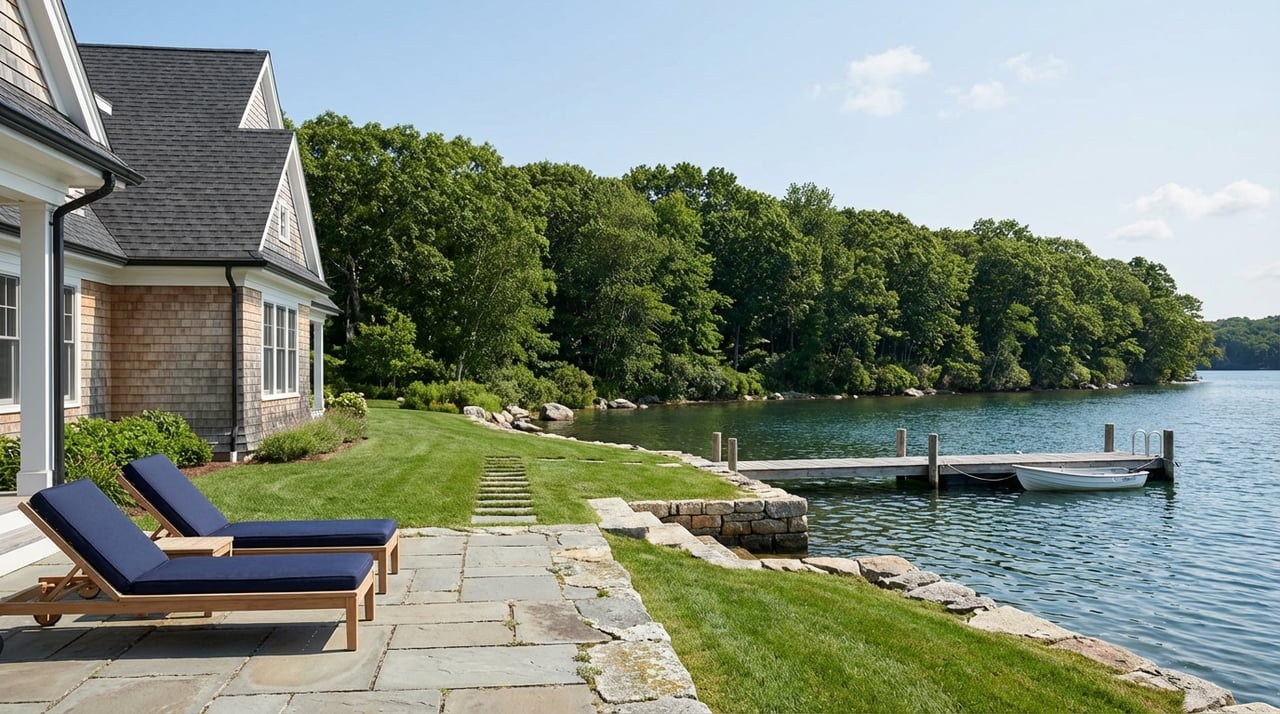
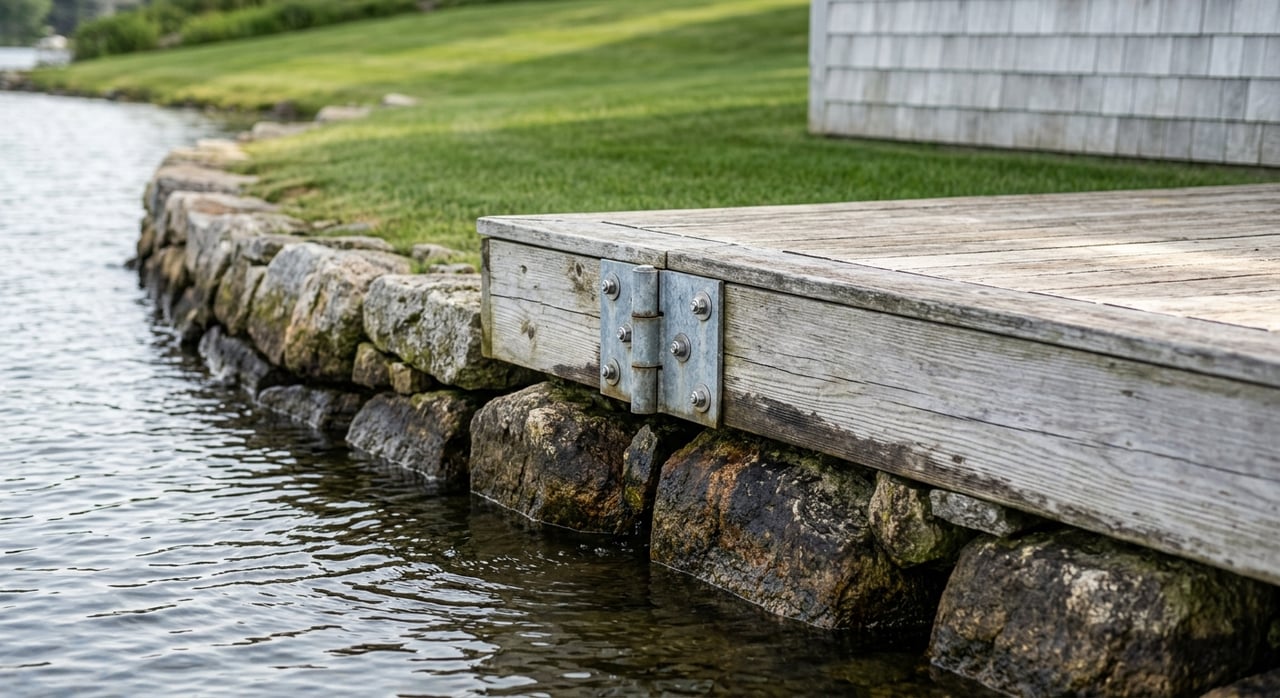
Shoreline type affects everything from swimming to dock design. A gradual sandy edge is easy for wading and children, while rocky or bulkheaded edges can be better for docking but may require ladders or more maintenance. Orientation also matters, since south‑facing shorelines often bring more light and wind exposure. Local associations share best practices for buffers and plantings, like the Lake Waramaug Association’s building and landscape guidance.
Bigger lakes with a long wind fetch have more wave energy. Quiet coves feel calmer and can suit kayaks, paddleboards, and relaxed swimming, while open water favors higher‑speed boating. Decide which activities you care about most, then focus your search on areas that fit that profile.
A steep drop‑off near shore is great for boat clearance and anchoring, though it puts more focus on dock ladders and swim platforms. Gradual slopes work well for beach entries and lounging in the shallows. Ask the listing agent for depth information or a bathymetry reference so you know what to expect by the dock.
Water clarity and invasive plants affect your day‑to‑day experience and future costs. Connecticut enforces aquatic invasive species rules and inspections, and many lakes have active steward programs. Request recent water‑quality reports and ask whether the lake has had periodic algae advisories or closures.
Reservoirs like Candlewood and Lillinonah have planned drawdowns for maintenance and invasive‑species control. These schedules may require seasonal dock removal and can change winter shoreline conditions. Review current guidance and timing in regional updates such as this coverage of FirstLight’s drawdown schedules.
Ice, snow, and freeze‑thaw cycles influence docks, bulkheads, and private road access. Ask neighbors and the seller about winter storage routines for boats and docks, and confirm who maintains the road in snowy months. Year‑round usability often hinges on reliable plowing and safe winter procedures.
Dock construction, replacement, and major shoreline work typically require approvals from your town’s Inland Wetlands and Watercourses agency, and sometimes state or federal permits. Each lake and town can set size limits, boat rules, and rental restrictions. Plan ahead and learn what is possible by reviewing local requirements and general dock permit guidance.
Public launch capacity and rules affect how you use and store a boat, especially if the property lacks a slip or mooring. For example, the CT DEEP launch at Bantam Lake has specific access details that shape trailered boat use. Confirm whether the home includes private or deeded access, and whether community rights‑of‑way cross the shoreline.
Many lakefront homes rely on a septic system and private well. Require a full septic inspection, pumping history, and documentation that the system meets current technical standards under the Connecticut DPH’s septic guidance. For water, follow DPH private well testing recommendations that include coliform, nitrate, and targeted tests based on local geology.
Lakefront parcels can involve shared easements, association covenants, or limits on dock placement and shoreline grading. Confirm whether shoreline is deeded to the lot and request the recorded plat and any association rules. A knowledgeable agent and local real estate attorney can help you interpret these documents before you commit.
Rural shoreline homes often lack public sewer and water, and broadband or cell coverage can vary by road and elevation. Test connectivity at the address and ask about any upcoming service improvements. Confirm reliable snow removal and maintenance agreements if the home sits on a private road.
Lenders and appraisers rely on recent waterfront comparables, which can be scarce and time sensitive. Early in underwriting, your lender will check flood‑zone status for the structure. If your home lies in a Special Flood Hazard Area, lenders follow Fannie Mae flood insurance requirements, and you may need an elevation certificate to confirm coverage details.
Flood insurance pricing has evolved under FEMA’s Risk Rating 2.0, which reflects elevation, distance to water, and other site‑specific factors. Get a quote early and ask whether an elevation certificate would help refine pricing. For context on mapping and premiums, review this overview of flood insurance and mapping FAQs. If you will keep boats or personal watercraft, discuss marine coverage and dock endorsements with your insurance agent.
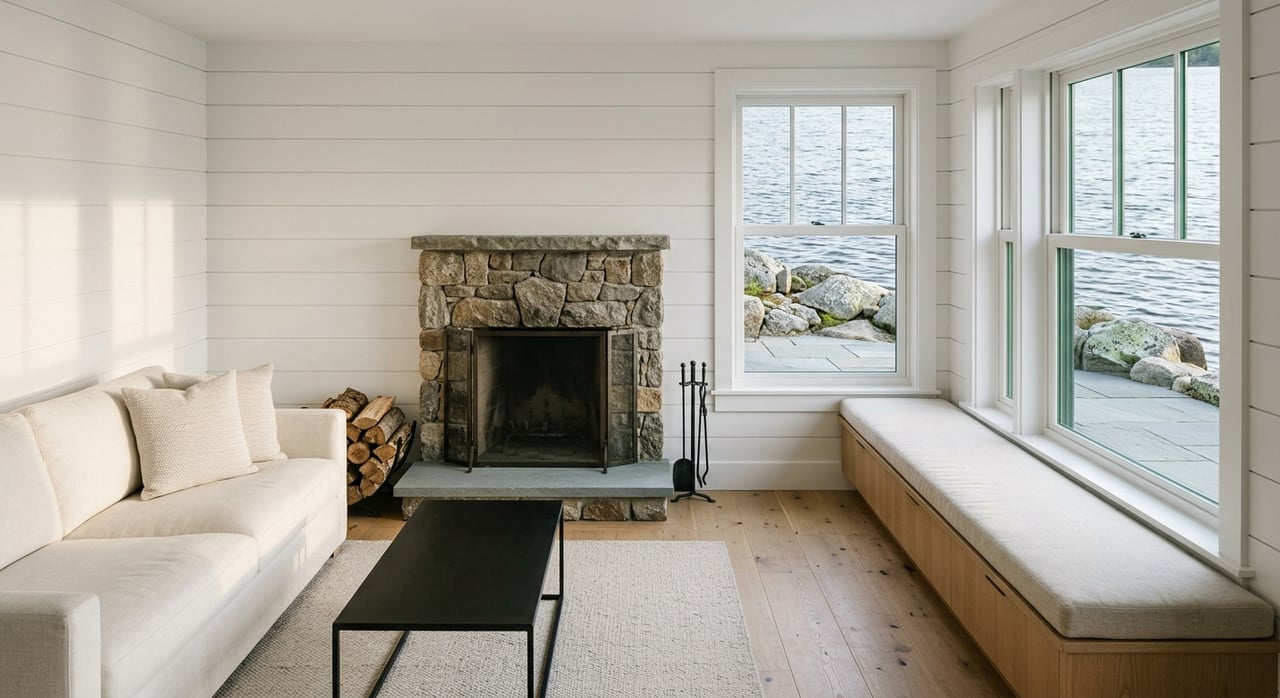
You will see a mix of older cottages and camps that have been thoughtfully remodeled, classic New England Colonials and Capes with lake‑facing additions, mid‑century cottages, and newer contemporary builds. Many homes lean into decks, porches, and big windows to frame water views rather than sprawling lawns. Listings often highlight shoreline footage, dock rights, and turnkey readiness.
For resale, weigh three items carefully: water quality and any invasive‑species history, recorded restrictions or association rules that limit changes of use or rental options, and the condition of shoreline infrastructure. These elements directly influence marketability and long‑term maintenance. Homes on lakes with strong stewardship programs and documented, permitted shoreline work often hold value better.
Ready to focus your search by lake, shoreline type, and budget? For clear answers, vetted local vendors, and steady guidance from offer to closing, connect with Cheryl Finley. Schedule Your Personal Consultation.
Looking to buy, sell, or just have a question? I'm always available to help and would love to work with you. Contact me today to start your home searching journey!