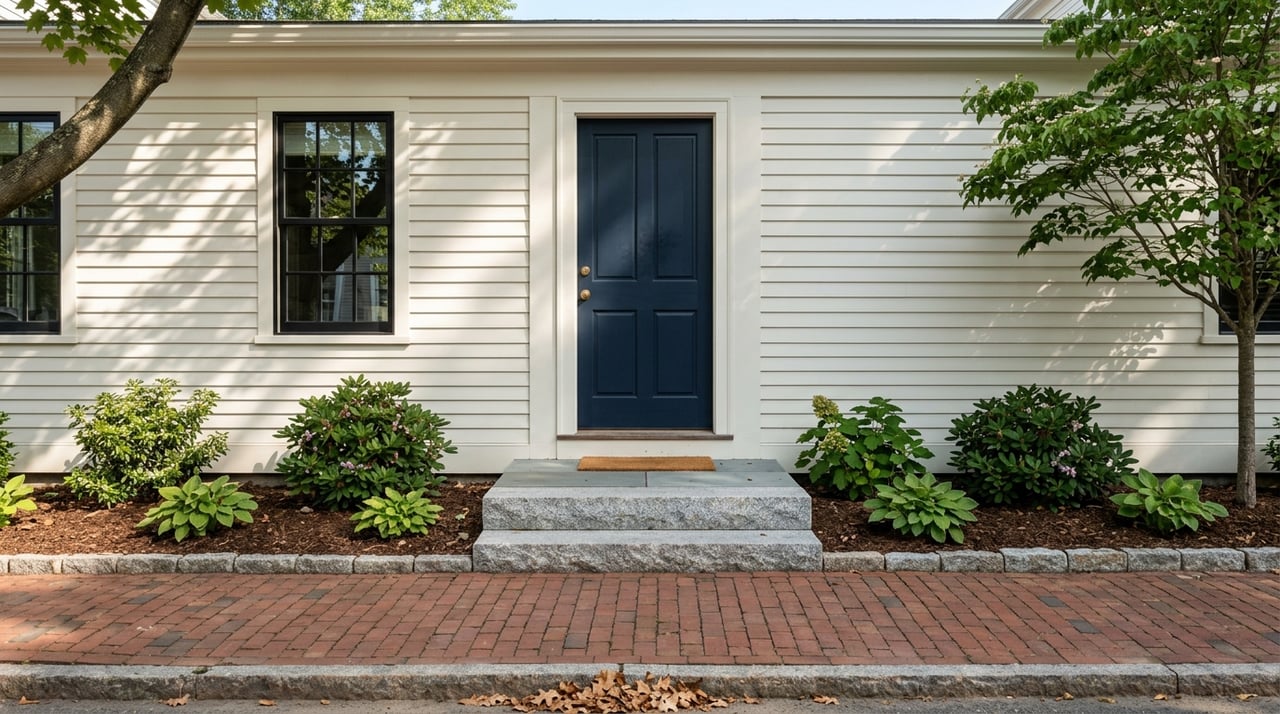
Choosing Between Waterfront And Village Living In New London County
If you picture your ideal coastal home, is the water the main event, or is it the rhythm of a village street that wins you over? In New London County, that is often the real choice. You are not picking between one “coastal market” and another, but between distinct micro-markets with different price points, upkeep needs, and everyday lifestyles. Understanding that difference can help you choose with more confidence. Let’s dive in.
New London County is best understood as a patchwork of coastal micro-markets, not a single price band or lifestyle. Zillow places the county’s typical home value at $426,271, up 6.4% over the past year, with homes going pending in about 7 days and more than half of sales closing over list price.
That countywide snapshot only tells part of the story. Town-level values range from about $323,284 in New London to about $740,548 in Lyme, with East Lyme at $533,523, Niantic at $518,031, Stonington at $627,708, and Old Lyme at $677,398. In higher-demand coastal pockets like Old Lyme and Stonington, median list prices sit even higher, which reinforces how much location and lifestyle shape value here.
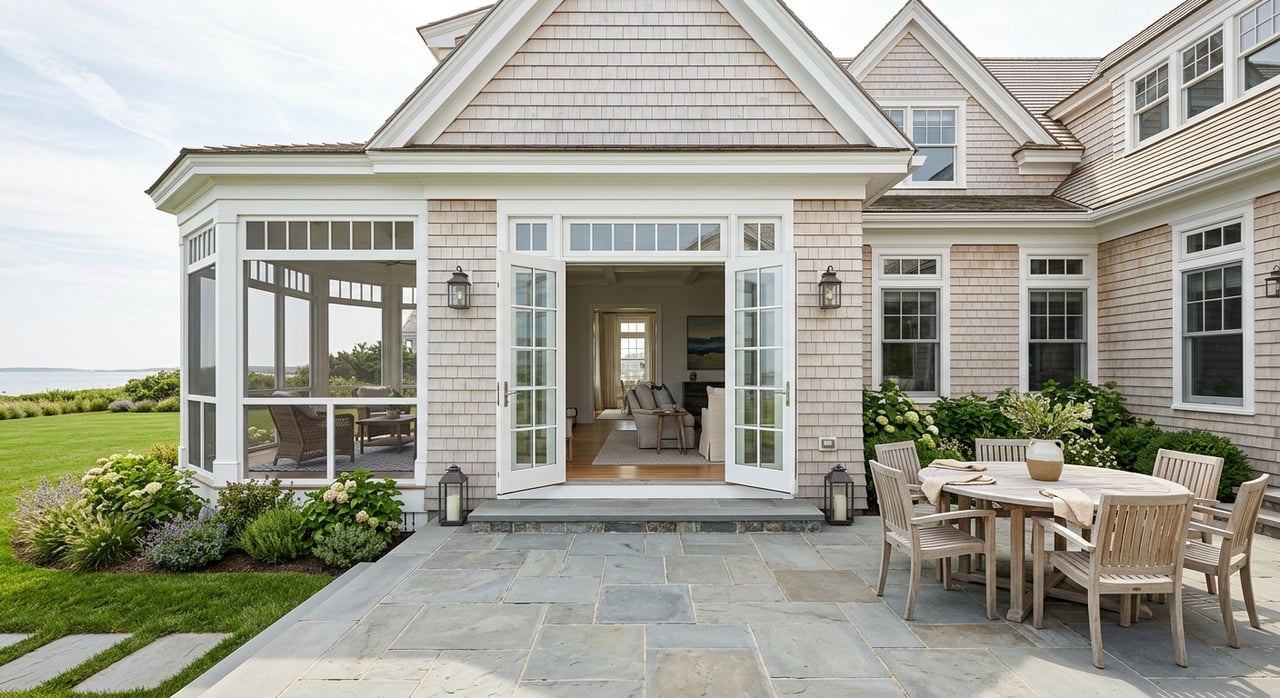
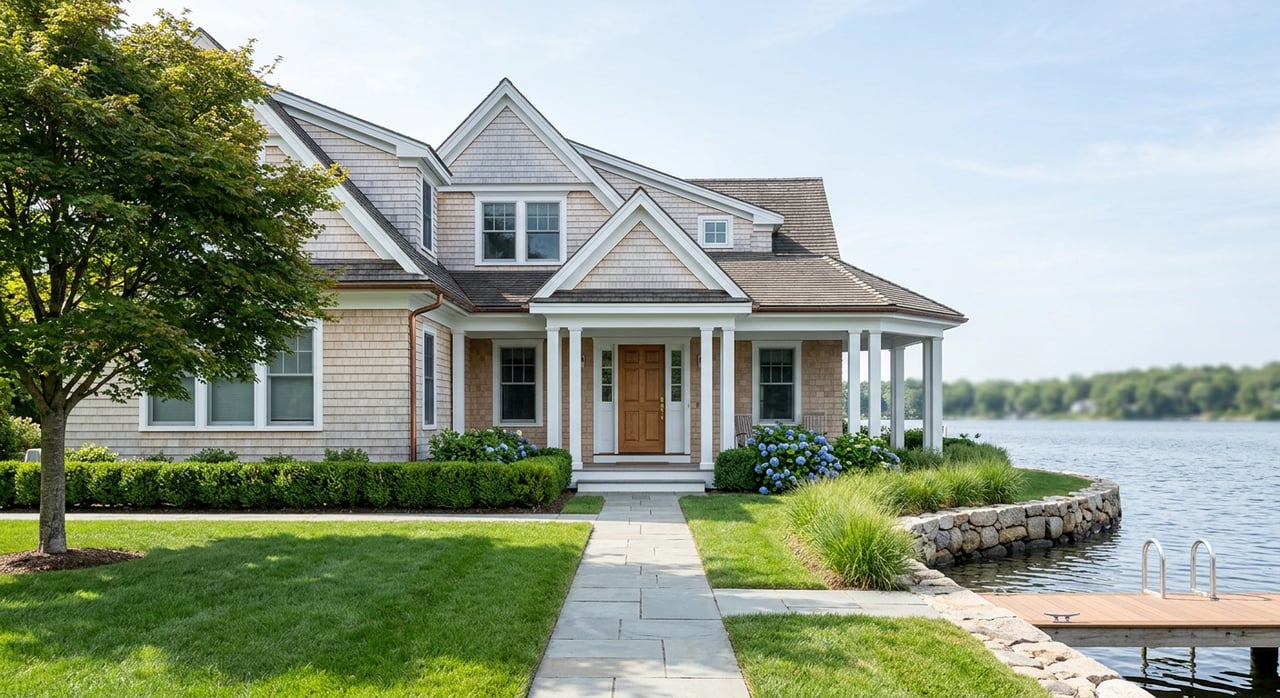
For this discussion, waterfront living means direct shoreline, riverfront, or harborfront ownership where the water is part of your daily use and your view. This is the kind of property where decks, docks, porches, and water-facing rooms are not extras. They are often central to how the home is used and enjoyed.
In New London County, waterfront communities are built around the water as a daily amenity. Mystic is known as a walkable river village with dining, shops, and waterfront activity. Stonington Borough offers a historic coastal setting with shops, galleries, restaurants, and a quieter pace, while Port Niantic is tied closely to marina access, boating, and fishing.
The emotional pull of waterfront living is easy to understand. If you want your home itself to feel like the destination, direct water access often delivers that experience better than any near-water alternative.
You may be drawn to panoramic views, a private dock setup, sunset-facing porches, or immediate access to boating and fishing. In many shoreline homes, the architecture and layout are shaped around the water, which can make the property feel immersive in a way village homes sometimes do not.
Waterfront living usually comes with more responsibility. Connecticut DEEP notes that residential docks in tidal, coastal, or navigable waters are regulated and may require permits, which means ownership can involve more technical review than a non-waterfront purchase.
Shoreline properties also face practical concerns tied to erosion, flooding, and storm exposure. CT DEEP identifies setbacks from the water as one of the simplest forms of protection, and FloodSmart notes that VE zones are high-risk coastal areas with storm-wave exposure. In high-risk zones, government-backed mortgages generally require flood insurance.
That does not mean waterfront is the wrong choice. It means you should go in with clear expectations about insurance, maintenance, and any structures tied to the shoreline such as docks, seawalls, or access points.
One point buyers sometimes overlook is that owning on the water does not always mean exclusive control of the shoreline experience. Connecticut preserves public access along the shore, and DEEP states that the public may use beaches, rocky shore, and open water for activities like fishing, shellfishing, boating, sunbathing, and walking.
For you, that means a waterfront property may offer remarkable views and direct access, but not complete separation from public coastal use. That is an important mindset shift if privacy at the water’s edge is one of your top priorities.
Village living in New London County usually means a walkable village-center or village-adjacent setting near the coast, rather than direct shoreline ownership. In practice, that could mean being close to shops, restaurants, marinas, beaches, or boardwalks without having the water as part of your parcel.
This option often works well if you want coastal character woven into daily life. You still get access to many of the region’s strongest lifestyle features, but with fewer shoreline-specific responsibilities.
If waterfront living is about the property itself, village living is often about what surrounds the property. Walkability, convenience, and year-round usability tend to play a bigger role in this choice.
Mystic is a strong example, with its walkable downtown by the water. Stonington Borough is known for a slower pace and less traffic. Niantic offers public beaches and a mile-long boardwalk, while Old Lyme blends a village center along Lyme Street with nearby beaches and a long-standing arts identity.
For some buyers, this is the sweet spot. You can enjoy coastal proximity without taking on every cost or complexity that comes with direct shoreline ownership.
It is a mistake to assume village living is always the more affordable route. In New London County, some walkable coastal villages command premium pricing in their own right.
Old Lyme’s typical value is $677,398, and its median list price is $817,300. Stonington’s typical value is $627,708, while its median list price reaches $1,241,333. Those numbers show that demand is not only about waterfront lots. Village settings with character, walkability, and coastal access can be highly competitive too.
Many village homes come with architectural charm and a strong sense of place. Old Lyme’s town profile points to Colonial and Federal-style buildings, and both Mystic and Stonington are known for historic village-scale settings.
That charm can be a major advantage, but it can also mean updates and maintenance. Village living is not automatically low-maintenance just because you are not directly on the water. Older homes may still need thoughtful renovation, system upgrades, or regular care.
One of the most important differences in New London County is how a place feels in summer versus the rest of the year. Some buyers want energy, visitors, and a strong seasonal pulse. Others want a steadier, quieter day-to-day environment.
Old Lyme is a useful example because the town notes that seasonal residents and visitors push the population well above the permanent base in summer. Depending on your goals, that can feel lively and fun or crowded and less predictable.
If you are buying a second home, that seasonal energy may be part of the appeal. If you are buying a primary residence, you may want to think more carefully about year-round routines, traffic patterns, and how the neighborhood feels in the off-season.
A practical way to narrow the choice is this: waterfront living usually makes sense when the water itself is your main amenity, while village living often makes sense when you want coastal access with more everyday convenience and fewer shoreline-specific issues.
For a primary home, village living may better match buyers who value walkability, easier year-round use, and less exposure to flood, erosion, or dock-related questions. For a second home, waterfront often has the stronger emotional draw because the home becomes the vacation experience.
Neither choice is better across the board. The right answer depends on how you want to live, not just how close you want to be to the shoreline.
Before you decide between waterfront and village living, it helps to compare both options through the same lens. A few practical questions can bring your priorities into focus.
In New London County, the choice is rarely black and white. Many communities sit somewhere along a lifestyle spectrum.
Mystic offers a strong blend of village walkability and waterfront atmosphere. Stonington Borough leans historic, coastal, and slower paced. Niantic gives you shoreline access, public beaches, and a boardwalk-centered village feel. Old Lyme can appeal to buyers who want either an arts-oriented village center or shoreline living nearby, while Flanders offers a useful near-coast but not-on-the-water example in East Lyme.
That is why a one-size-fits-all coastal search often falls short. The better approach is to match your daily habits, seasonal preferences, and comfort with maintenance to the right micro-market.
If you are weighing a waterfront home against a village setting, the details matter. A thoughtful, property-by-property approach can save you time and help you focus on the options that truly fit your lifestyle. When you are ready for tailored guidance, connect with Cheryl Finley for a personal consultation.





Looking to buy, sell, or just have a question? I'm always available to help and would love to work with you. Contact me today to start your home searching journey!