
Questions Move-Up Buyers Should Ask About Fairfield Lakefront Homes
Buying up to a Fairfield County lakefront home can feel like the reward for years of hard work, but the view is only part of the story. If you are moving from a standard suburban property into a waterfront home near Candlewood Lake, you are also stepping into a purchase with extra layers of permits, site conditions, and ongoing maintenance. The right questions can help you protect both your lifestyle and your investment before you get attached to the dock, the shoreline, or the sunsets. Let’s dive in.
A lakefront home purchase in the Candlewood Lake corridor is not the same as buying a typical house on an inland street. Shoreline use can involve FirstLight project boundary rules, local inland wetlands review, town zoning, septic and well records, and in some cases HOA or common-interest community rules.
That matters because a feature that looks simple in photos, like a dock, retaining wall, cleared shoreline, or swim area, may involve separate approvals. On Candlewood Lake, the exact lot location can be just as important as the house itself, especially in Danbury, New Fairfield, Sherman, New Milford, and Brookfield.
One of the smartest questions you can ask is: Where is the actual shoreline boundary? On Candlewood Lake, waterfront ownership and shoreline rights are not always as obvious as they appear from the backyard.
According to the Candlewood Lake Authority, most waterfront owners own down to the Rocky River Project Boundary, but not below it. FirstLight also requires permits for uses within the project boundary, which is why a current survey matters so much.
A survey can help you understand what you truly own, where the usable shoreline area begins and ends, and whether existing improvements sit in areas that require separate review. For move-up buyers, this is a big issue because you may be comparing homes based on outdoor lifestyle features that are regulated differently from one lot to the next.
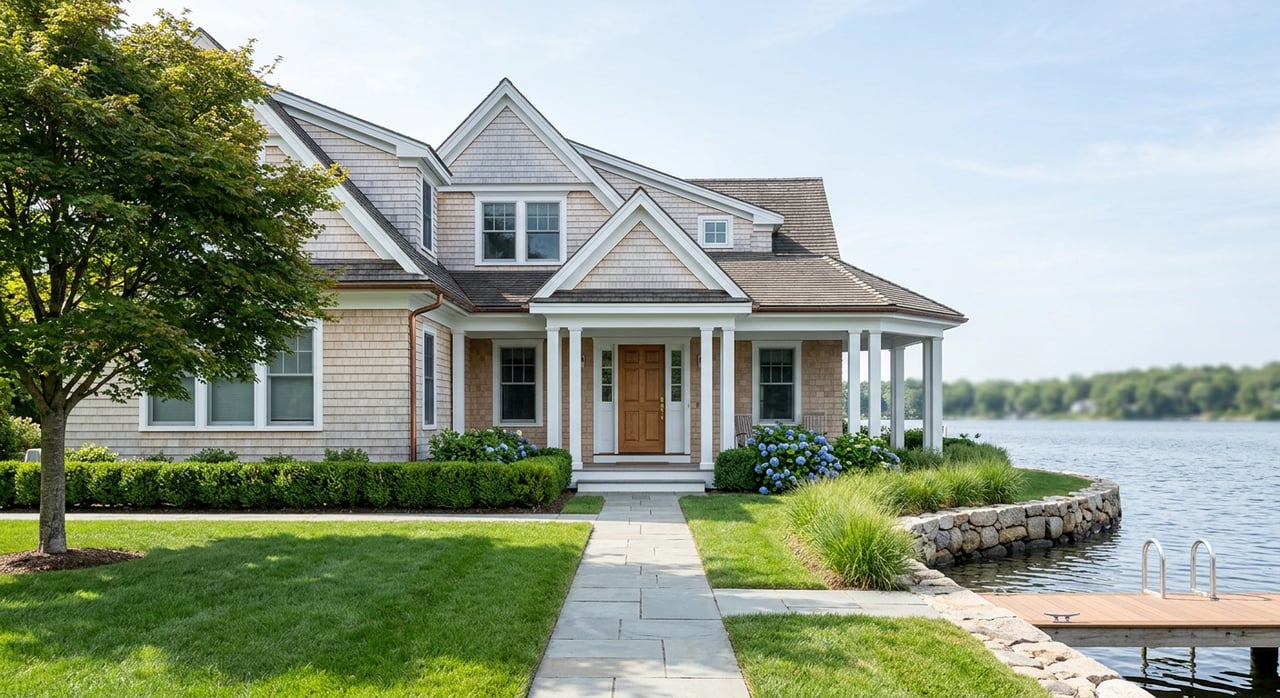
A dock adds instant appeal, but you should never assume it is fully approved just because it is already there. A better question is: Is the dock permitted, and can it legally remain after closing?
FirstLight says changes to docks on Candlewood Lake go through its permitting process. The Candlewood Lake Authority also states that unpermitted moorings are not allowed and may be removed.
Ask the seller for written records showing approval for the dock, mooring, or other shoreline structures. If the property includes a dock, this documentation should be part of your review just like a title report or property disclosure.
The dock is not the only feature worth checking. You should also ask whether any seawall, retaining wall, vegetation clearing, or other shore work was properly approved.
This matters because shoreline improvements often affect both use and maintenance. If past work was done without the right approvals, you may inherit risk, added cost, or limits on future updates.
If a listing mentions swimming, paddling, or direct water access, ask for details. On Candlewood Lake, swim areas, swim platforms, and navigational markers can involve separate approvals.
The Candlewood Lake Authority says all swim areas require a Connecticut DEEP permit. It also says swim platforms are allowed only within DEEP-approved swim areas, and markers such as hazard or slow-no-wake markers must be permitted by DEEP.
That means you should verify whether these features are approved, not just present. If your move-up purchase is meant to support more lake time and more guests, these details can shape how you use the property from day one.
Distance to the water affects more than the view. A useful question is: Is the property within 200 feet of Candlewood Lake, and do extra town rules apply?
The Candlewood Lake Authority notes that if a property lies within 200 feet of the lake, certain activities may be prohibited or regulated and may require permits from the local land-use office. You should also check zoning for any lake-specific restrictions tied to the parcel.
This becomes especially important if you are thinking ahead to improvements like expanding a patio, changing drainage, adding outdoor features, or modifying landscaping. A waterfront lot may offer a premium setting, but it can also come with a narrower path for future changes.
Connecticut uses a town-based inland wetlands system. Each town has its own inland wetlands agency, and activities such as clearing, grading, excavating, filling, piping, culverting, or constructing near wetlands or watercourses generally need municipal review.
For buyers in Fairfield County and the Candlewood corridor, this means one of your questions should be: Has any prior site work been reviewed by the correct town office? The answer may differ depending on whether the home is in Danbury, New Fairfield, Sherman, Brookfield, or New Milford.
If permit history is unclear, the Candlewood Lake Authority specifically points shoreline homeowners to the relevant local town offices. That local review can help you understand what was approved and what may need more investigation before you move forward.
Many lakefront homes rely on on-site sewage systems, so septic questions should move to the top of your list. Connecticut DPH recommends that buyers ask for as-built drawings, maintenance records, pumping history, and repair history.
A practical question is: What does the septic system consist of, and when was it last maintained? Connecticut DPH recommends septic tank inspection and pumping on about a 3-to-5-year cycle.
For move-up buyers, this matters because the home may be larger, used more often, or expected to host more people than your current property. Septic capacity, maintenance, and repair potential all affect how comfortably you can use the home over time.
You should also ask whether the lot appears to have room for future septic repair work if needed. Connecticut DPH advises buyers to watch for saturated or odorous areas, nearby wetlands or watercourses, flat lots, steep slopes, or ledge outcrops that can reduce available leaching area.
This is one of the most overlooked parts of waterfront buying. A beautiful lot can still present site limitations that affect future maintenance or system replacement.
If you are buying a move-up home, there is a good chance you are already imagining updates. Before you count on an addition, a larger gathering space, or a finished basement, ask: Would my renovation plans create a septic problem?
Connecticut DPH advises buyers who are considering an addition or basement renovation to discuss those plans with the town sanitarian. In some cases, it may not be possible to enlarge the existing home.
If the home uses a private well, water quality deserves careful review. Connecticut DPH says it is highly recommended to test private-well water when buying a home.
A smart question is: Has the well water been tested, and what exactly was tested? DPH notes that lender-required tests are common, but they are not required by law and may not cover all contaminants.
DPH recommends annual basic testing, at least one-time lead testing, and at least one-time or periodic testing for arsenic, uranium, radon, and VOCs depending on the issue. It is also wise to ask for records related to the well and any treatment equipment, since water quality can change over time.
If the property is part of an HOA or common-interest community, do not leave document review until the last minute. These documents can affect your costs, your use of the property, and your obligations after closing.
Under Connecticut law, buyers should receive the declaration, bylaws, rules or regulations, and a certificate covering common charges, unpaid assessments, other fees, budgets, reserves, insurance coverage, pending suits or foreclosures, and restrictions on leasing or occupancy. In short, these are not side documents. They are part of the property decision.
You should also ask who manages the community. The Connecticut Department of Consumer Protection notes that a community association manager or HOA manager handles daily operations, common areas, and rule enforcement.
Move-up buyers often focus on the purchase price first, but a lakefront home can carry a different maintenance profile than a non-waterfront property. One very practical question is: How much boat traffic and wake exposure does this shoreline get?
Connecticut DEEP regulations set a daytime speed limit of 45 mph and a nighttime speed limit of 25 mph on Candlewood Lake. The Candlewood Lake Authority also says boats must travel slow-no-wake within 100 feet of shore or a dock.
Those rules matter because wake exposure can affect dock wear, shoreline erosion, and the overall maintenance burden you may take on. Even two homes on the same lake can feel very different based on their shoreline position and exposure.
When you are serious about a Fairfield County lakefront home, it helps to ask for a focused set of records early. That can save time, reduce surprises, and make it easier to compare one property with another.
Ask for:
For move-up buyers, this paperwork often tells you more than the staging, finishes, or listing photos. The view may draw you in, but the records help you understand what you are really buying.
In the Candlewood Lake corridor, a lakefront purchase can involve multiple authorities and multiple layers of review. That is why local waterfront expertise matters so much.
An experienced local agent can help coordinate the survey, review shoreline questions, check available town land-use and health records, confirm whether key approvals are in place, and help you understand likely maintenance considerations before you commit. That kind of guidance can make a complex purchase feel much clearer.
If you are thinking about moving up to a Fairfield County lakefront home, the goal is not to make the process harder. It is to help you buy with confidence. When you verify shoreline rights, site conditions, and maintenance history before you fall in love with the view, you put yourself in a much stronger position. If you want clear, personalized guidance on Candlewood Lake and the surrounding waterfront market, connect with Cheryl Finley.





Looking to buy, sell, or just have a question? I'm always available to help and would love to work with you. Contact me today to start your home searching journey!