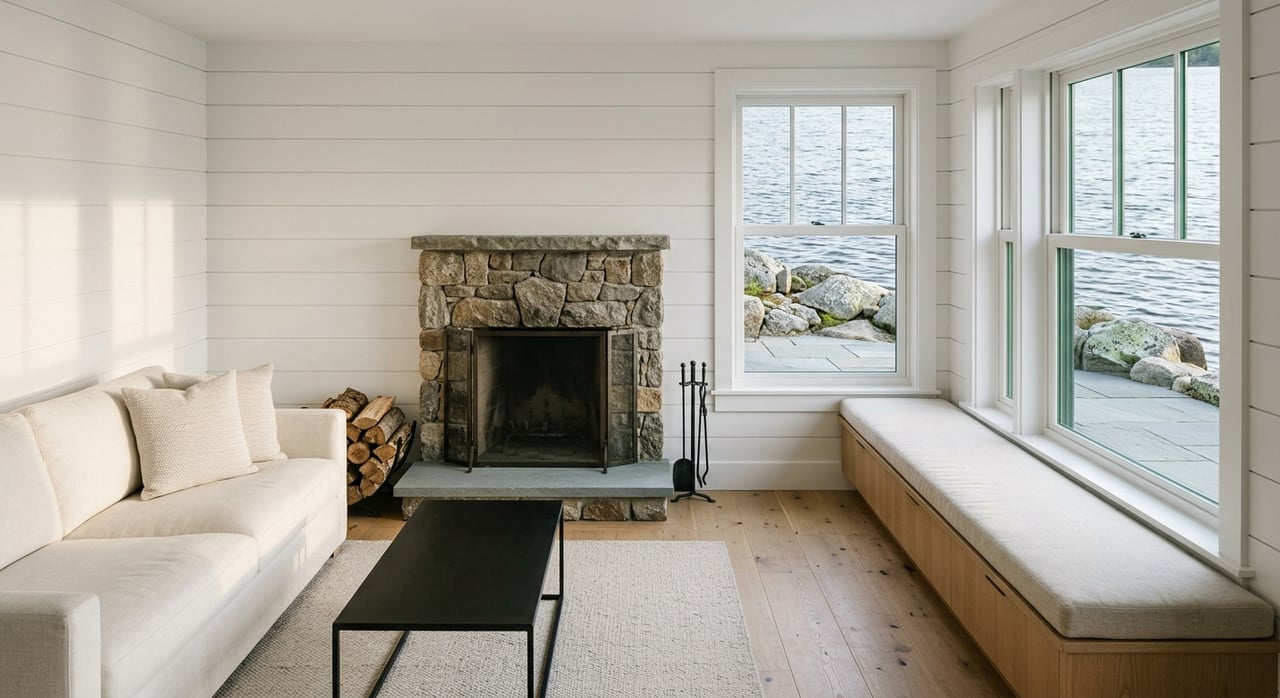
Turning A Litchfield Lake Cottage Into A Year-Round Home
Dreaming about four seasons at the lake? A charming cottage can feel like the perfect escape in summer, but living there full time is a different question. If you are thinking about turning a seasonal lake cottage into a year-round home in Litchfield County or nearby Dutchess and Putnam County markets, it helps to know what really drives the decision. This guide walks you through the key issues so you can plan with more confidence. Let’s dive in.
In Connecticut, converting a seasonal-use building to year-round use is more than a lifestyle change. The state specifically ties that conversion to core features like a positive heating supply, a potable water supply protected from freezing, or insulation that reduces heat loss.
That matters because a cottage conversion often triggers review under building, mechanical, plumbing, and energy rules. For permit applications filed on or after October 1, 2022, the 2022 Connecticut State Building Code applies. If you are evaluating a property in Litchfield County, it is important to understand that “year-round” is not just a marketing term.
Across the state line in New York, the distinction matters too. New York’s assessment manual separates one-family year-round residences from seasonal residences, noting that seasonal homes are generally not built for year-round occupancy because of inadequate insulation or heating. If you are comparing homes in Dutchess or Putnam County with homes in northwest Connecticut, that difference can affect how a property is classified and understood.
The first big question is whether the cottage can handle winter conditions. In many lake homes, the real starting point is the building envelope, meaning insulation, air sealing, and freeze protection.
A dependable heating source is also essential. In Connecticut, heat is part of the state’s own definition of winterizing a seasonal building for year-round use. That means updates to heating and insulation are often foundational, not optional.
If the property uses oil heat, yearly maintenance is recommended by Connecticut DEEP. For buyers, that makes service records worth reviewing early in the process. For sellers, organized maintenance records can help support buyer confidence.
On many lake properties, septic capacity is the issue that most often shapes scope, cost, and even feasibility. If public sewers are not available, Connecticut’s Public Health Code says a building cannot be altered for continuous occupancy unless the local director of health determines that the lot has a code-complying area for septic installation.
That is a major point for older cottages on smaller lots. Even if the home feels usable as-is, the site still has to support year-round occupancy under the applicable rules.
Connecticut DPH also notes that overloaded septic systems fail more easily. The agency says septic tanks should generally be inspected and pumped every three to five years, and a change in use can require expansion or replacement if the design flow increases by more than 50%.
Those facts are especially relevant in lake communities, where lot constraints and environmental sensitivity can limit options. Connecticut has about 300,000 on-site septic systems, and DPH estimates that more than 15,000 need repair each year. In short, septic is not a detail to leave for later.
If the cottage relies on a private well, water planning should be part of your year-round conversion checklist from day one. Connecticut says private wells should be tested periodically, and the water supply for a year-round home needs protection from freezing.
This is important because private wells are common. About 23% of Connecticut residents use private wells, and those wells are not regulated under the federal Safe Drinking Water Act.
If treatment work is needed, it should be handled by appropriately licensed professionals. When you are buying or preparing to sell, recent water-quality results and clear well records can make a real difference in how smoothly the transaction moves.
Not all lake properties work the same way, even within Litchfield County. Infrastructure, environmental conditions, and community rules can vary a lot from one lake area to another.
Bantam Lake, for example, is Connecticut’s largest natural lake. DEEP says its watershed includes Bethlehem, Goshen, Litchfield, Morris, Washington, and Torrington, and the lake has a history of harmful algal blooms and nutrient impairment.
Lake Waramaug has state park access and launch rules. Highland Lake is supported by active water-quality monitoring and has a trout-management designation. Woodridge Lake, by contrast, is a private lake community with year-round residents, weekend owners, vacation renters, and its own sewer district serving the community and adjacent homes in the watershed.
The takeaway is simple: two cottages with similar views can come with very different infrastructure and stewardship responsibilities. That is why local research matters so much in lakefront and near-lake real estate.
If you are considering a seasonal cottage with plans to live there full time, ask targeted questions early. Doing this upfront can save time, money, and disappointment.
Here are some of the most important questions to raise:
These are practical questions, but they are also strategic ones. The answers can affect value, timing, and whether a property is the right fit for your goals.
If you own a seasonal cottage and want to market it to buyers who may consider year-round living, preparation matters. A well-documented property tends to create more trust and fewer surprises.
Start by gathering records tied to the home’s systems and approvals. Connecticut DPH advises homeowners to keep accurate records about septic location and cleaning in a permanent house file, along with related maintenance information.
Helpful records may include:
Even if the home is still seasonal, organized records help buyers better understand what they are purchasing. In a lake market, clear documentation can be just as important as the home’s charm.
Turning a lake cottage into a year-round home is rarely a one-line answer. It often involves building-code review, health department questions, water and septic evaluation, and community-specific considerations.
That is where experienced local guidance becomes valuable. In waterfront and lake-area transactions, the right questions often matter as much as the right property.
If you are buying, you want to understand whether the home fits your lifestyle before you get too far down the road. If you are selling, you want to position the property honestly and effectively, with the records and local context serious buyers expect.
Whether you are exploring Litchfield County or comparing options across nearby lake markets, a careful, informed approach can help you avoid costly assumptions. If you want personalized guidance on buying or selling a lake property, connect with Cheryl Finley for a one-on-one consultation.



Looking to buy, sell, or just have a question? I'm always available to help and would love to work with you. Contact me today to start your home searching journey!