Low-Maintenance Design Ideas For Litchfield County Lake Houses
Dreaming about a lake house that feels relaxing instead of demanding? In Litchfield County and nearby lake-country areas, that goal matters more than you might think. Between heavy precipitation, winter snow, freeze-thaw cycles, and damp shoulder seasons, smart design choices can save you time, reduce upkeep, and help protect your investment. Let’s look at low-maintenance design ideas that make lake living easier through every season.
A low-maintenance lake house starts with the local climate, not just the look you want. NOAA data for Barkhamsted shows about 51.14 inches of annual precipitation, 51.4 inches of snowfall, and wide temperature swings from winter to summer. That means your home needs to handle moisture, snow load, and repeated freeze-thaw conditions.
The spring and fall freeze dates matter too. With a median spring freeze around April 30 and a median fall freeze around October 17, outdoor materials and seasonal systems can face a long stretch of cold-weather stress. In practical terms, durable finishes and simple systems usually outperform features that require constant sealing, repainting, or repair.
Moisture is one of the biggest maintenance issues in a lake house. Connecticut DPH notes that mold grows when a home has moisture problems such as leaks, flooding, or very high humidity. Common trouble spots include bathrooms, basements, window trim, and carpet edges.
That is why easy-clean surfaces and strong ventilation matter so much. Bath and kitchen moisture should vent outdoors, and damp basements often benefit from dehumidification. If you are renovating or evaluating a home, it helps to think beyond style and focus on how easily each room can stay dry and clean.
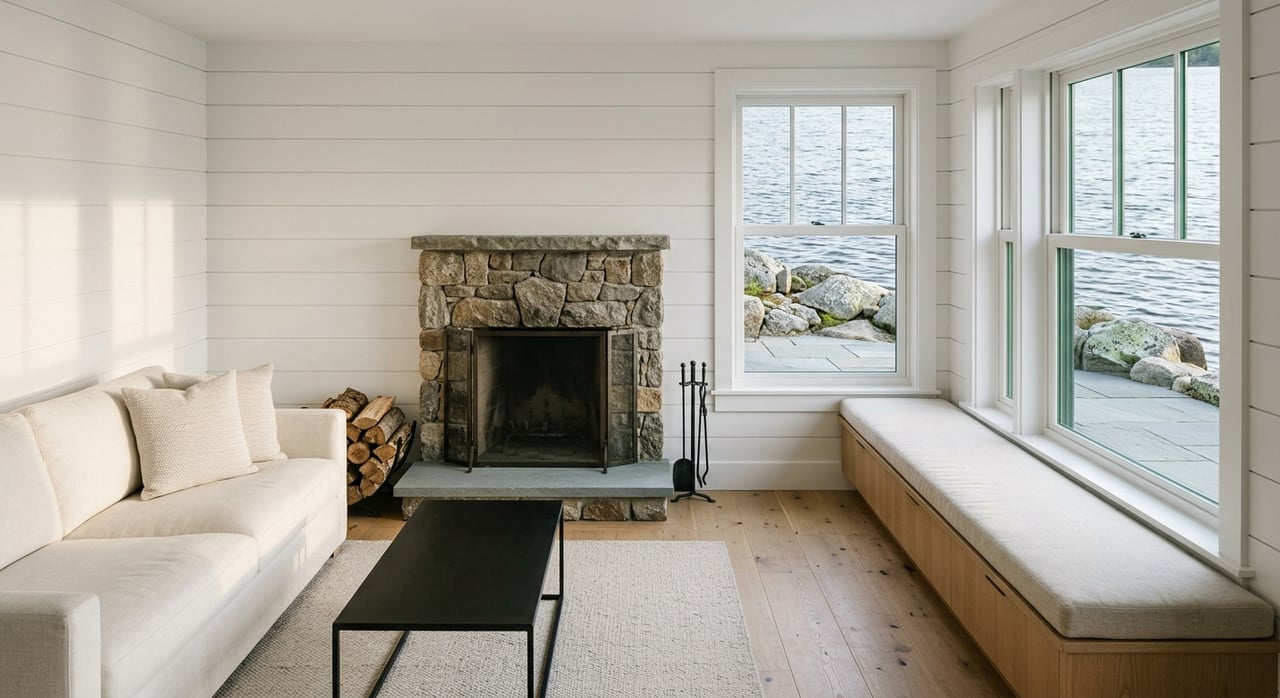
Durable finishes can make everyday use much easier, especially in a seasonal or weekend property. Long-lasting materials and low-emitting finishes support better indoor air quality and reduce how often you need to replace worn surfaces. Fewer delicate finishes usually means less scrubbing, refinishing, and special care.
Good options to discuss with your contractor may include:
Bathrooms are one of the most important places to get the details right. DOE Building America guidance recommends cement board or another moisture-resistant backing behind tub and shower tile or panel enclosures. It also specifically advises against paper-faced drywall behind seamed tub and shower surrounds.
This matters because low maintenance is not only about the visible tile. It is also about the materials behind the wall that help prevent moisture damage over time. If a lake house has showers on exterior walls, air sealing and insulation also help keep moisture out of wall cavities.
Lake houses often need to do a lot with a limited footprint. A guest room may need to work as a bunk room one weekend, a quiet office the next, and overflow sleeping space during summer holidays. Flexible rooms can reduce clutter and cut down on furniture and linens that sit unused in humid conditions.
This kind of setup also makes seasonal living easier. A room that closes down neatly in the off-season is generally simpler to clean, monitor, and reopen. Built-ins, closed storage, and straightforward furniture layouts often work better than overfurnished rooms.
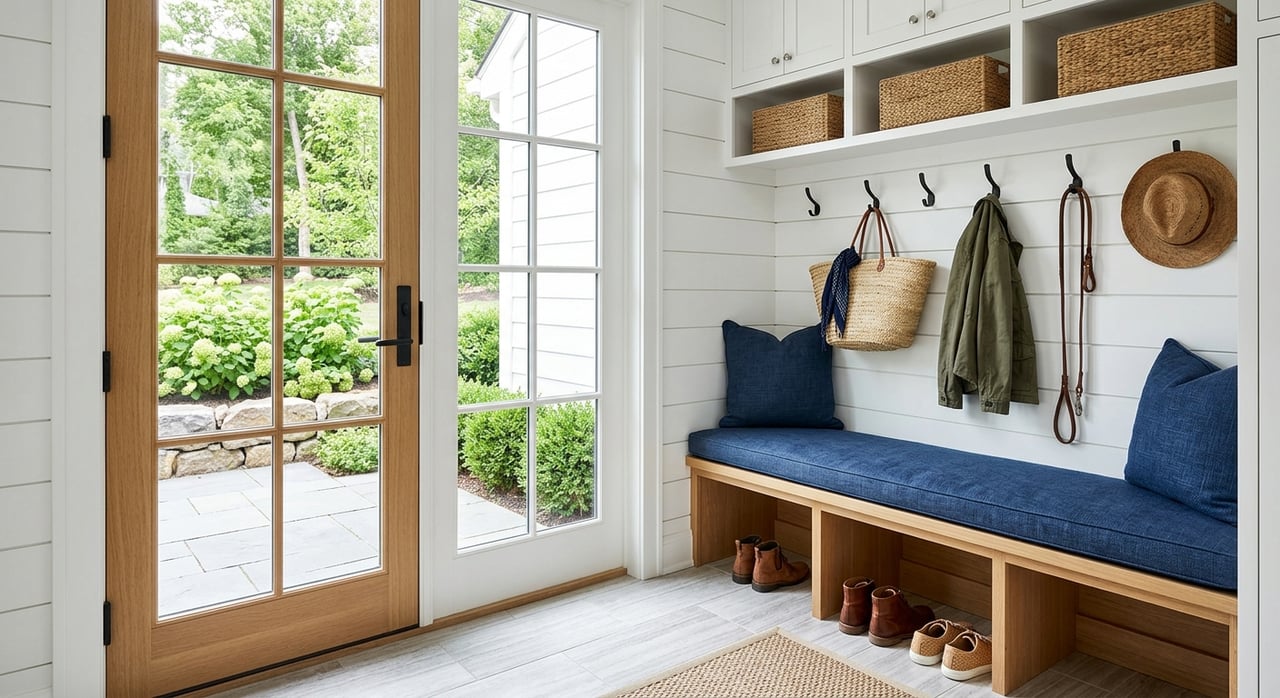
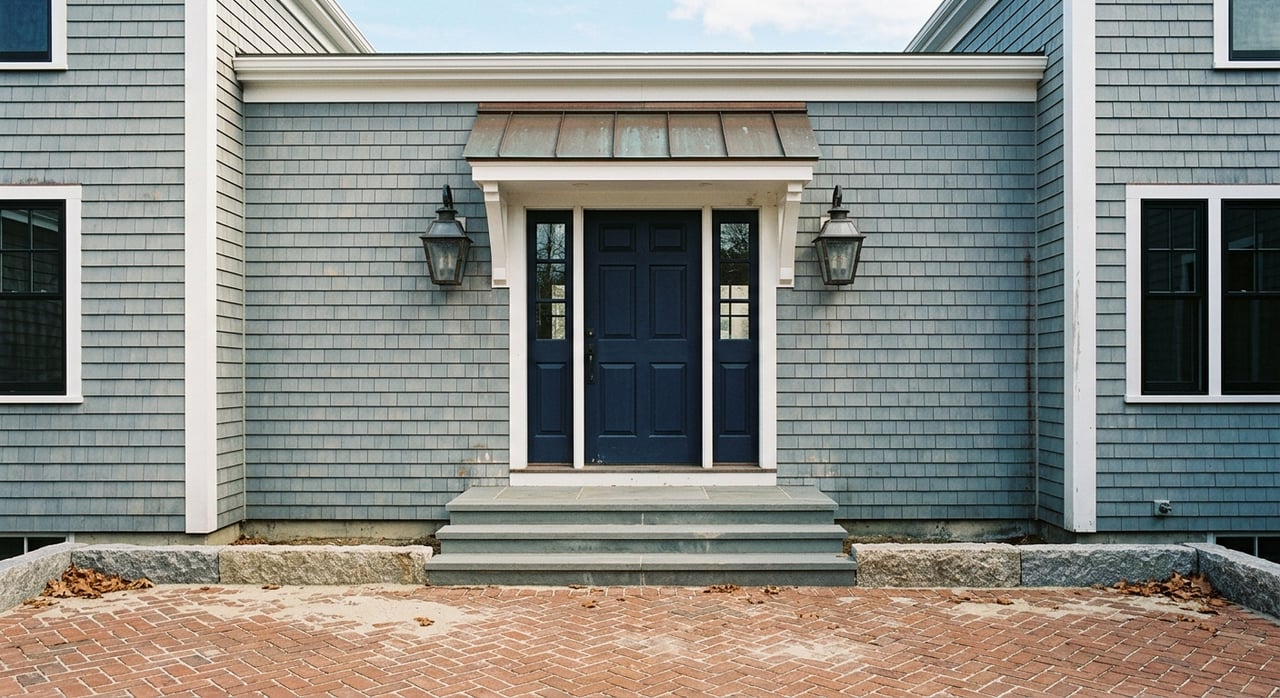
You can reduce wear on a lake house by planning for how people actually come inside. Wet shoes, towels, bags, and boating gear need a clear path from the door to a practical storage area. Without that, moisture and clutter tend to spread through the house.
A mudroom, side entry, or garage drop zone can make a big difference. Bench seating, closed cubbies, hooks, and durable flooring help contain the mess in one area. Simple circulation patterns also make the house easier to clean after a busy summer weekend.
The best low-maintenance features are usually the least flashy. They solve recurring problems and make the home easier to live in year-round or seasonally.
Consider design elements such as:
Seasonal occupancy changes how a lake house should function. Connecticut consumer guidance advises homeowners to keep heat on even when away, protect exposed pipes, clear gutters and downspouts, and drain outdoor hoses before deep cold sets in. The state also notes that some insurance coverage may be affected if a home is left without heat or unattended for long periods and then has a burst pipe.
That makes winterization a design issue, not just a maintenance checklist. A low-maintenance lake house should have obvious shutoffs, labeled systems, and utility spaces that are easy to inspect. If a caretaker or property manager needs to step in, a straightforward setup can save time and prevent mistakes.
A home that is easy to close up is usually easier to own. If you are remodeling or building, this is worth discussing early with your plumber, HVAC contractor, and other vendors.
Helpful features include:
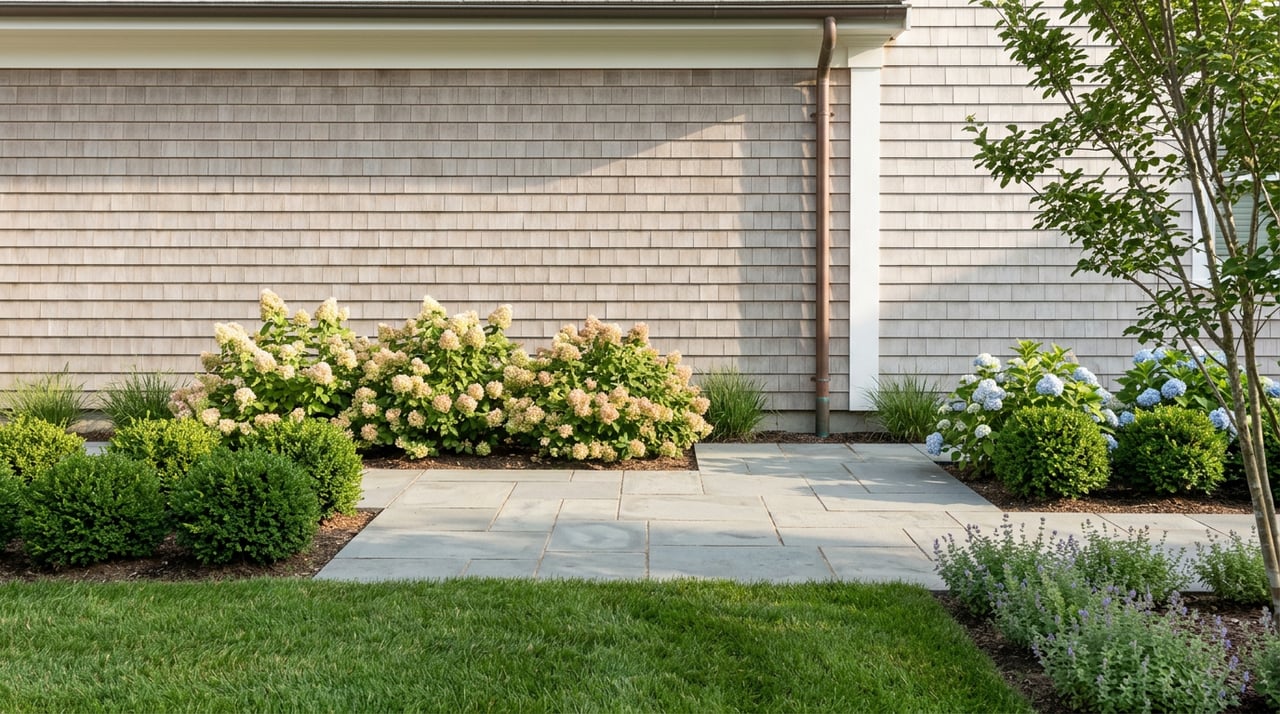
Outside, one of the smartest low-maintenance moves is reducing the amount of lawn you need to care for. Extension guidance notes that lawns are expensive and high-maintenance, while perennial planting beds, groundcovers, mulch, and hardscape can lower upkeep. For many lake properties, this approach also fits the setting better than large turf-only areas.
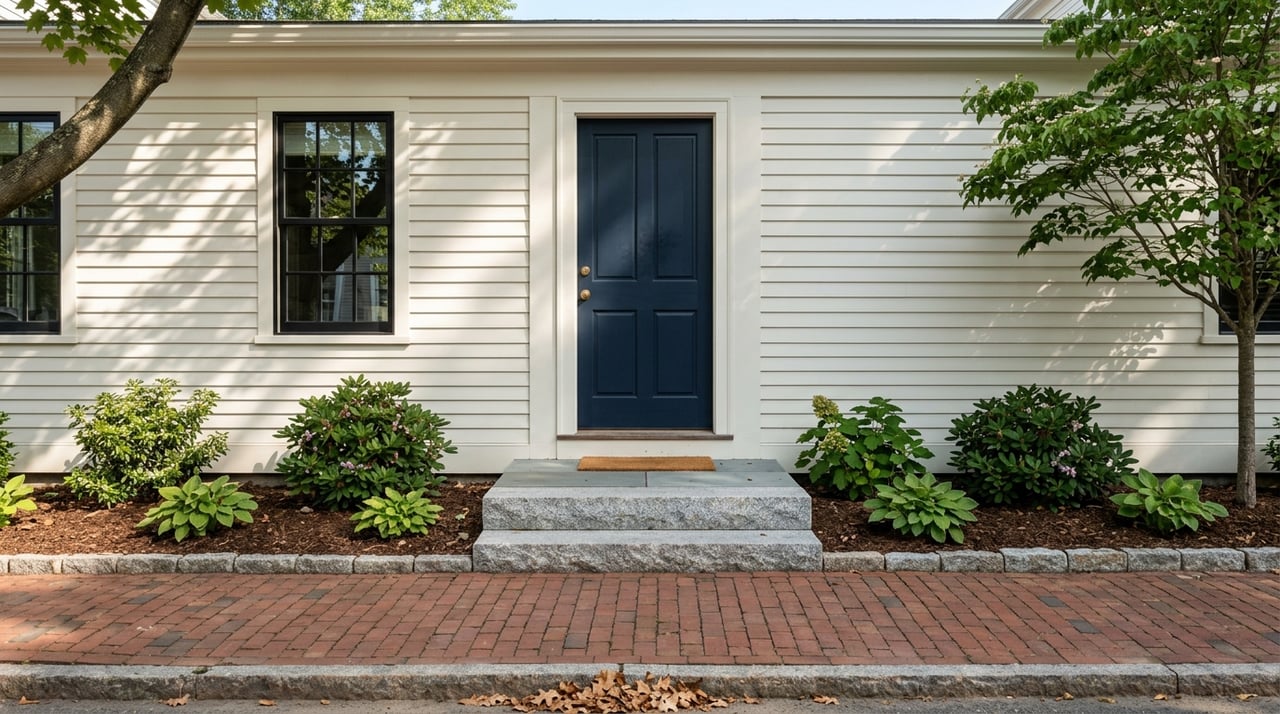
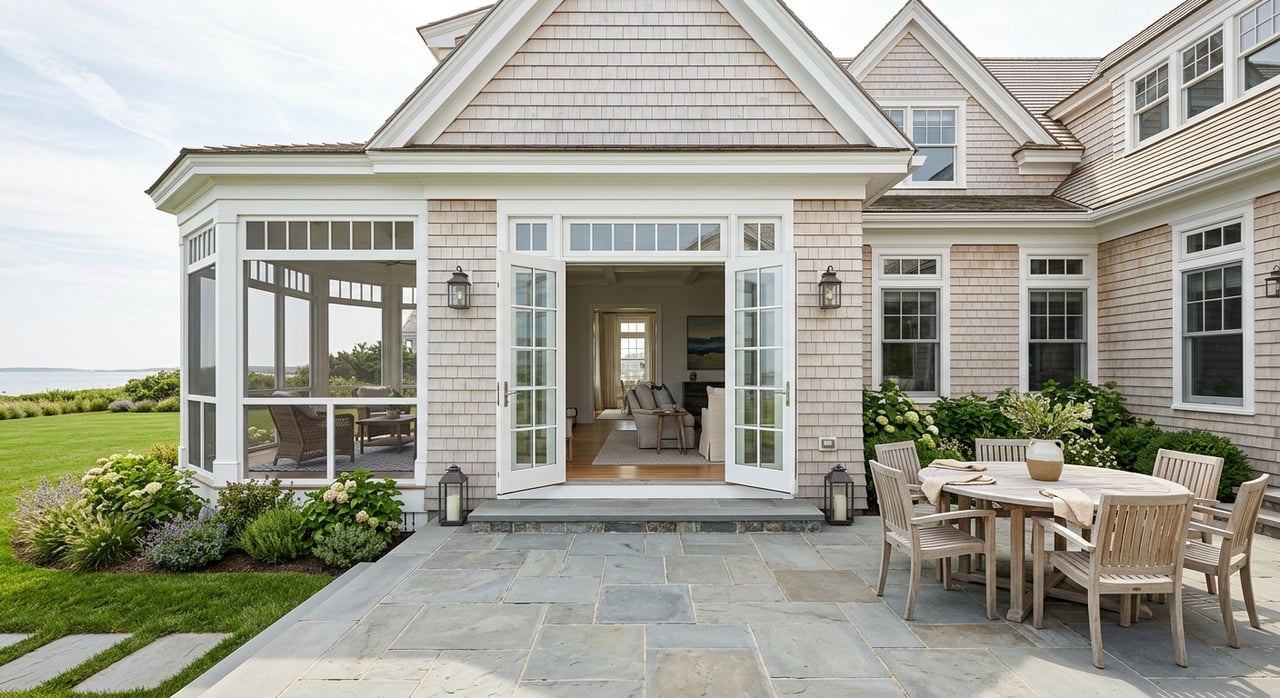
Durable hardscape can also outlast more maintenance-heavy choices. Concrete or brick patios generally last longer than a wooden deck or a brick-on-sand patio, and recycled plastic lumber typically needs less painting or staining than treated wood. If you want outdoor living space that does not become a constant project, structure often beats extra lawn.
Lakeside planting should do more than look good. EPA guidance says native lakeshore vegetation can slow polluted runoff, help prevent erosion, and reduce irrigation, pesticide, and fertilizer needs. UConn also notes that native plants are adapted to local soils and site conditions and can reduce maintenance time and expense once established.
For properties near the water, riparian plantings can be an especially practical choice. They support shoreline function while lowering the amount of mowing and replanting you may need to do. A native plant nursery, riparian-buffer installer, or landscape designer familiar with Connecticut waterfront conditions can help create a plan that fits the site.
If your goal is a more manageable property, focus on practical improvements first. The right landscape plan should reflect drainage, slope, and how you actually use the yard.
A lower-maintenance approach may include:
In Connecticut lake-country settings, low maintenance should still include basic yard care that supports health and comfort. Connecticut DPH notes that several tick species in the state can spread disease, and prevention is the best way to avoid illness. CDC guidance recommends mowing regularly, clearing leaf litter and brush, and placing a 3-foot wood-chip or gravel barrier between lawn and wooded edges.
UConn also advises frequent mowing and avoiding invasive plants such as Japanese barberry, which can contribute to tick-friendly habitat. These steps do not require fussy landscaping. In fact, they support a cleaner, simpler yard that is easier to manage over time.
A well-run lake house often depends on the right service partners. If you own, buy, or prepare to renovate a property in Litchfield County or nearby lake markets, it helps to have a network that understands seasonal homes and waterfront conditions.
Depending on your goals, that team may include:
A low-maintenance lake house is not about stripping away charm. It is about choosing materials, layouts, and systems that work with the realities of the property. In a climate shaped by snow, rain, humidity, and freeze-thaw cycles, practical design often protects both your time and your investment.
If you are buying, selling, or planning updates in the Candlewood Lake corridor or surrounding lake markets, local insight can make these decisions much easier. For tailored guidance on waterfront properties, trusted vendor connections, and what buyers value in a well-designed lake home, connect with Cheryl Finley.
Looking to buy, sell, or just have a question? I'm always available to help and would love to work with you. Contact me today to start your home searching journey!