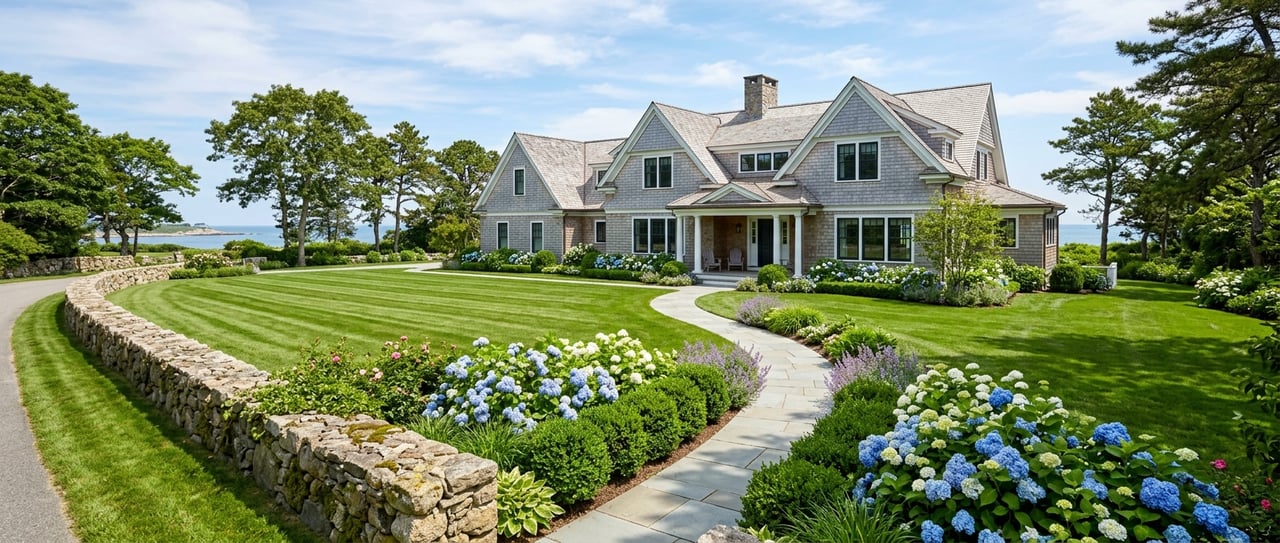
Discover Classic Neighborhoods in Kent County RI
Looking for a neighborhood with real character in Kent County? This corner of Rhode Island offers far more than standard suburban streets. You will find historic village centers, waterfront enclaves, mill-era districts, and quiet rural pockets, each with a distinct feel shaped by the county’s shoreline, rivers, and long local history. If you want a clearer sense of how these areas differ and what kind of lifestyle each one supports, this guide will help you narrow your search. Let’s dive in.
One of the best ways to understand Kent County is to think in terms of neighborhood character rather than town lines alone. Based on official local and state descriptions, the county’s classic areas tend to fall into four broad categories: walkable historic villages, waterfront neighborhoods, mill-village districts, and rural residential pockets.
That framework matters because each setting offers a different day-to-day experience. Some areas are centered on Main Street activity and historic architecture, while others are shaped by beaches, coves, wooded roads, or former mill corridors. If you are moving within Rhode Island or relocating from out of state, this distinction can help you focus on the places that best match your lifestyle.
Few places in Kent County capture classic New England character quite like Pawtuxet Village. According to Warwick’s historic district overview, it is both locally zoned and listed on the National Register of Historic Places, with Warwick’s greatest concentration of Colonial and Federal-era architecture.
The setting adds to its appeal. Official descriptions highlight a sheltered cove, early seaport roots, later streetcar and resort-era growth, and tree-lined streets with historic homes. If you are drawn to established streetscapes and a strong sense of place, Pawtuxet stands out as one of the county’s most recognizable historic neighborhoods.
Apponaug offers a different kind of historic village identity. Warwick notes that it began as a 1696 mill site and crossroads, later evolved into a port and shipbuilding center, and has served as the city’s governmental seat since the 1830s.
Today, Apponaug still reads as a civic village center. The area includes Apponaug Park with its fountain and Victorian benches, plus public boardwalks and city docks around Apponaug Cove as described in Warwick materials. For you, that can mean a neighborhood feel that blends water access, public spaces, and older village fabric.
East Greenwich is often one of the first places buyers think of when they picture a classic Rhode Island town center. The town describes itself as a small New England town on the west shore of Narragansett Bay, with Greenwich Cove, marinas, waterfront dining, and a walkable core of businesses and landmarks along Main Street and Water Street on its About East Greenwich page.
Its historic depth is also well documented. Town materials describe Hill and Harbor as an 18th- and 19th-century village tied to Main Street and the Cove, with Colonial, Federal-Georgian, Greek Revival, Victorian, and early 20th-century buildings. If you want a neighborhood where architecture, waterfront access, and a traditional downtown pattern come together, East Greenwich offers one of Kent County’s clearest examples.
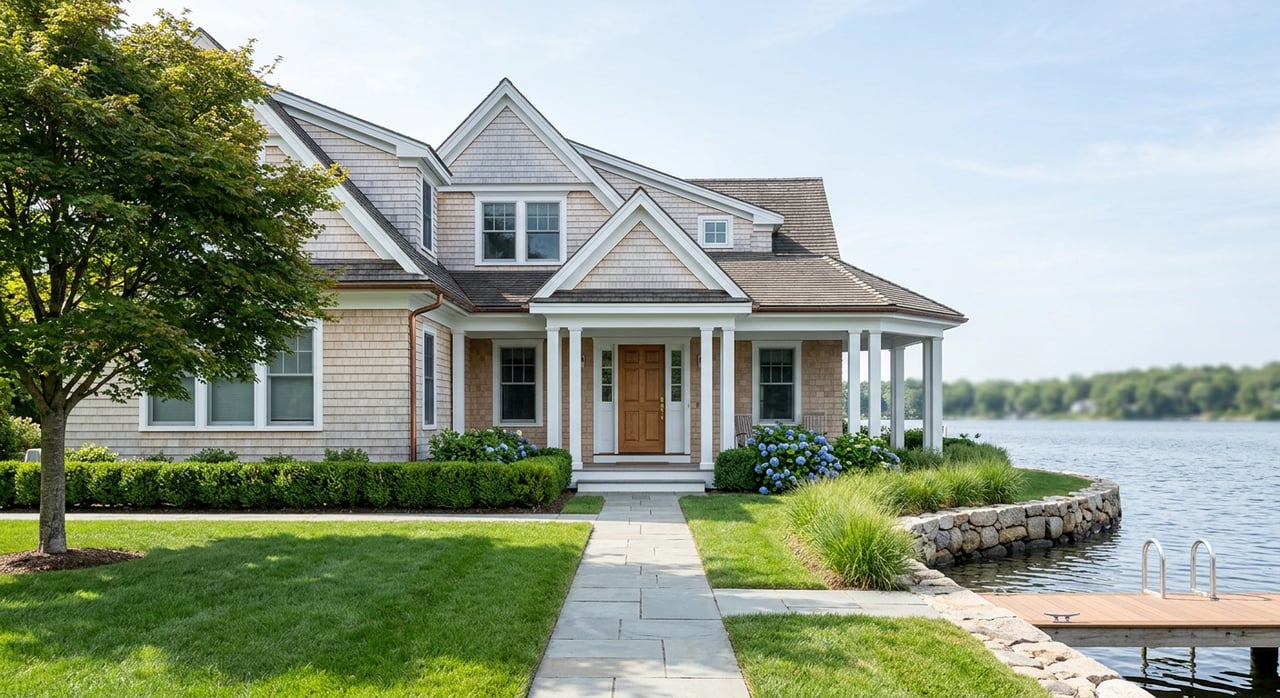
For buyers who are especially interested in coastal living, Potowomut offers one of Kent County’s most distinctive settings. Warwick describes it as a peninsula with a mix of older and newer homes overlooking Greenwich Bay on its village centers page.
Nearby Goddard Memorial State Park helps define the lifestyle in this part of Warwick. Official park information highlights salt-water beach access, picnic grounds, a boat ramp, a golf course, bridle trails, and other outdoor amenities. If your ideal neighborhood includes bay views and easy access to recreation, this area deserves a closer look.
Buttonwoods has a strong shoreline and recreation-oriented identity. Warwick describes Warwick City Park and Buttonwoods Beach as a beach park with baseball fields, picnic areas, shelters, and about three miles of paved bicycle paths.
The area also has an established historic layer. Warwick’s historic district materials identify a Buttonwoods Beach Historic District on Greenwich Bay, which helps explain the older residential feel and long-standing neighborhood texture. For you, that can translate to a setting where outdoor use and established housing patterns go hand in hand.
Oakland Beach brings a more casual, active shoreline atmosphere. According to Warwick’s open space materials, it includes a public saltwater swimming beach, boat ramp, restrooms, a small green space, nearby restaurants, and a recurring summer Cruise Night.
This is the kind of neighborhood that often feels lively and seasonal, especially near the water. If you enjoy being close to the bay and want a setting with an easygoing coastal rhythm, Oakland Beach offers a different personality than some of the county’s quieter waterfront enclaves.
If you prefer a more maritime feel, Conimicut and Warwick Neck offer a quieter bayfront identity. Warwick notes that Conimicut Point Park sits at the end of Point Avenue with a small beach, boat launch, and views of Narragansett Bay and the Conimicut Lighthouse.
The city also points to the Warwick Neck Lighthouse as another long-standing navigation landmark tied to bay travel. Together, these areas reflect a more understated shoreline setting, shaped by peninsulas, open water views, and long connections to maritime activity.
West Warwick stands apart for its mill-village structure. The town explains on its local history page that it developed as the mill half of Warwick along the Pawtuxet River, and that villages such as Arctic, Centreville, Crompton, Riverpoint, Natick, and Phenix still persist today.
That history continues to shape the local landscape. The town describes massive mill structures, winding roads, and long-standing neighborhood identity, while revitalization materials characterize Arctic Village as a traditional main-street civic center with shops, apartments, public buildings, and nearby mill properties. If you appreciate older settlement patterns and adaptive reuse potential, West Warwick has a very distinct historic texture.
Coventry offers another important lens on Kent County’s classic neighborhoods. The town’s comprehensive plan says eastern Coventry includes mature neighborhoods built around historic mill villages and natural features such as Tiogue Lake, Huron Pond, and the Pawtuxet River.
The same plan notes that standardized housing and company-built stores and schools remain visible in many village centers, including Harris, Arkwright, Quidnick, Anthony, Washington, and Rice City. For you, that means Coventry is especially interesting if you are drawn to places where residential patterns still reflect earlier industrial and village development.
Coventry is not only about mill history. The Coventry Land Trust emphasizes preserving the town’s rural, rustic, and historic character through protection of open space, waterways, wetlands, farmland, scenic views, and places of cultural interest.
That adds another layer to how neighborhoods feel in Coventry. In some areas, the appeal is not just the homes themselves, but also the nearby meadows, woodlands, trails, and water features that shape the broader setting.
If your idea of a classic neighborhood is less about village streets and more about space and quiet, West Greenwich offers a strong contrast to the county’s denser historic centers. The town is officially described in a state municipal report as a rural community with active farms, forested areas, and open meadows.
This lower-density setting can appeal to buyers looking for privacy, wooded surroundings, and a more relaxed pace. In the context of Kent County, West Greenwich provides the clearest rural counterpoint to the bayfront villages, beach districts, and mill-oriented neighborhoods found elsewhere.
Across the county, several themes repeat. You will see Colonial and Federal-era homes most clearly in places like Pawtuxet Village and East Greenwich’s historic core, while Greek Revival, Victorian, and early 20th-century buildings also appear in East Greenwich. In West Warwick and Coventry, mill housing and former industrial village patterns remain central to neighborhood identity.
Lifestyle differences are just as important as architecture. Some neighborhoods are defined by Main Street strolling and harbor access, others by beach parks and peninsulas, and others by river history or rural roads. When you tour Kent County, it helps to think about how you want your daily routine to feel, not just which town name appears on a listing.
If you are trying to narrow your search, start by asking a few practical questions:
Those answers can quickly point you toward the right part of Kent County. For waterfront and coastal buyers especially, understanding the relationship between neighborhood setting, shoreline access, and long-term lifestyle is an important first step.
Whether you are buying or selling in Kent County, neighborhood knowledge makes a real difference. If you want tailored guidance on waterfront areas, historic enclaves, or the county’s more distinctive residential pockets, Cheryl Finley offers personalized, full-service support to help you move forward with clarity and confidence.

Looking to buy, sell, or just have a question? I'm always available to help and would love to work with you. Contact me today to start your home searching journey!