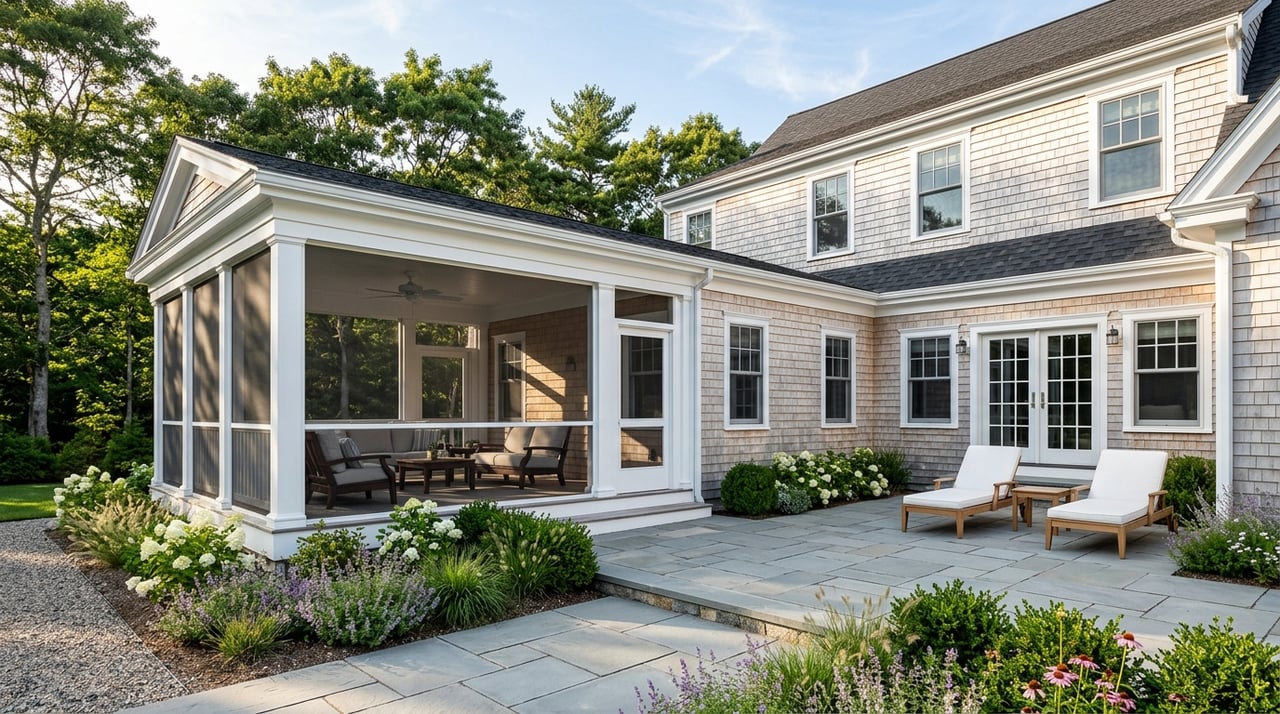
A Buyer’s Guide to New London County Second Homes
Thinking about a second home in coastal Connecticut? New London County often lands on buyers’ short lists because it offers shoreline access, historic waterfront areas, beach towns, and easier travel connections than many seasonal markets. If you are comparing weekend retreats, future retirement options, or a place you can use part time now and more often later, this guide will help you understand what to watch for before you buy. Let’s dive in.
New London County is best understood as a mixed shoreline region, not a one-note resort market. According to Connecticut’s official regional overview, the area includes urban, suburban, and rural communities along the southeastern coastline, with access by rail, road, water, and air.
That matters if you want a second home you can actually use often. The same state resource notes the county sits between Boston and New York and also offers ferry access from New York and Rhode Island, plus the Groton-New London airport. For many buyers, that makes the area feel more practical than a market that is beautiful but harder to reach.
The appeal also goes beyond beaches alone. The state highlights New London’s historic waterfront, Mystic’s attractions, arts, outdoor recreation, and shoreline destinations across the region, which supports both seasonal use and year-round living. In other words, you are not limited to one type of coastal experience.
If you are starting your search, several towns and shoreline areas stand out because official tourism and state sources consistently point buyers and visitors there. These include East Lyme and Niantic, Old Lyme, Stonington, Waterford, New London waterfront areas, and Mystic and Groton.
Each area offers a different feel and housing mix. Some locations lean more toward village and harbor settings, while others are centered around beaches, waterfront districts, or more traditional residential neighborhoods. That variety is part of what makes New London County attractive for second-home buyers with different budgets and lifestyle goals.
East Lyme and Niantic are often associated with beach access and seasonal activity. CTvisit’s summer guide highlights places like Rocky Neck State Park and notes that Niantic Bay Beach is pass-controlled between Memorial Day and Labor Day, which helps show how important the warm-weather season is in this part of the county.
For buyers, that means summer access and local routines can shape how you use the property. If your goal is a low-key coastal base for long weekends, this area may fit well, but it is smart to understand how seasonal beach access works before you buy.
Old Lyme and Waterford can appeal to buyers who want coastal access without assuming every shoreline town functions the same way. Census QuickFacts show different home values and monthly ownership costs between these towns, which is a reminder that two nearby communities can offer very different ownership experiences.
Old Lyme’s median owner-occupied home value is listed at $484,200, while Waterford’s is $355,900, according to Census QuickFacts. Those differences do not tell the whole story of any specific property, but they do show why town-by-town comparisons matter.
Stonington and Mystic are often top of mind for buyers looking for a classic coastal New England setting. State and tourism sources point to these areas as key waterfront and visitor anchors, suggesting a market that may include village homes, harbor-adjacent properties, and some association or condo settings depending on location.
Stonington’s housing stock also offers a useful example of the broader county pattern. The town’s budget materials, based on ACS estimates, show that about 69.62% of units are 1-unit detached and 2.79% are 1-unit attached, which reflects the single-family-heavy housing mix buyers often encounter in shoreline communities. You can review that in the Town of Stonington budget materials.
If you want a more urban waterfront base, New London and Groton deserve a look. Census QuickFacts show New London city with a lower median owner-occupied home value of $253,300 and an owner-occupied housing rate of 36.1%, which stands apart from more heavily owner-occupied towns like Old Lyme, Waterford, East Lyme, and Stonington.
That difference may appeal to buyers who want coastal access at a more moderate entry point or who prefer a setting with a different mix of housing and amenities. It is another reason not to treat New London County like one uniform second-home market.
In much of New London County, you should expect detached single-family homes to make up a large share of the inventory, especially in shoreline and harbor communities. That can be a plus if you want more privacy, outdoor space, or a traditional second-home setup.
At the same time, the county is not all cottages or large waterfront homes. Depending on the town, you may also find village properties, homes in association settings, and a smaller share of attached or multifamily options. Your best fit depends on how much upkeep you want, how close you want to be to water access, and whether the property is meant for frequent weekend use or longer stays.
One of the biggest second-home lessons in New London County is that carrying costs are highly local. In Connecticut, real estate is assessed at 70% of fair market value, and mill rates are set by each municipality, according to the state’s property assessment guidance.
That means two similar homes in nearby towns can come with meaningfully different tax bills. Recent official town pages show mill rates of 16.23 in Old Lyme, 18.18 in Stonington, 23.36 in Waterford, 27.20 in New London, and 28.01 in East Lyme, based on local tax information from towns including Old Lyme.
The key takeaway is not just the number itself. It is the spread. When you are budgeting for a second home, taxes should be part of your comparison from the start, not something you revisit only after you fall in love with a property.
In certain towns, the tax structure can be more detailed than buyers expect. Groton’s taxpayer guide explains that bills over $100 may include town, fire district, and sewer district portions.
If you are buying in a shoreline area, it is worth reviewing the actual tax bill structure rather than assuming every town calculates charges the same way. That extra review can help you avoid surprises in your long-term ownership budget.
Taxes are only part of the picture. Census QuickFacts provide a useful baseline for median selected monthly owner costs in several towns, though these figures are not a complete second-home budget.
Here is a snapshot of the reported costs for owner-occupied homes with a mortgage:
| Town | Median monthly owner cost with mortgage |
|---|---|
| Old Lyme | $2,742 |
| Stonington | $2,509 |
| East Lyme | $2,448 |
| Waterford | $2,206 |
Without a mortgage, the same source reports monthly owner costs of $1,013 in Old Lyme, $1,120 in Stonington, $1,069 in East Lyme, and $982 in Waterford. You can review those figures in Census QuickFacts.
For second-home buyers, these numbers are a starting point only. You also need to think about utilities, insurance, seasonal maintenance, storm checks, lawn care, snow removal, and repair reserves.
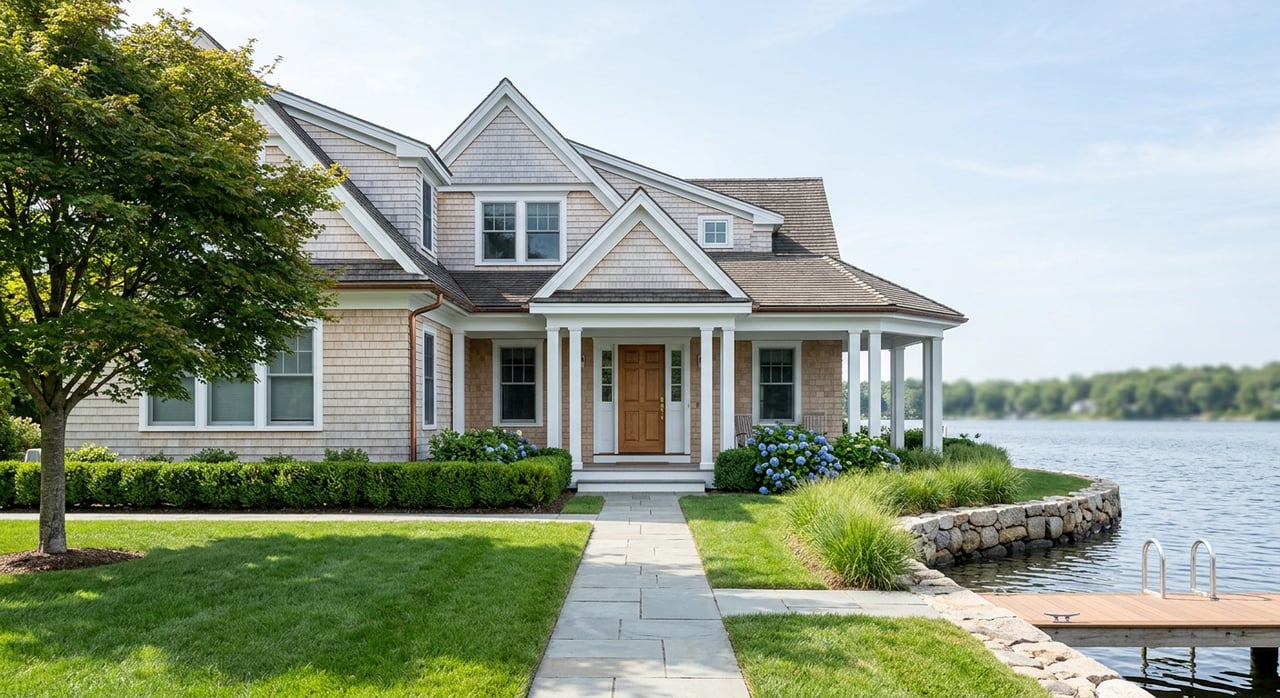
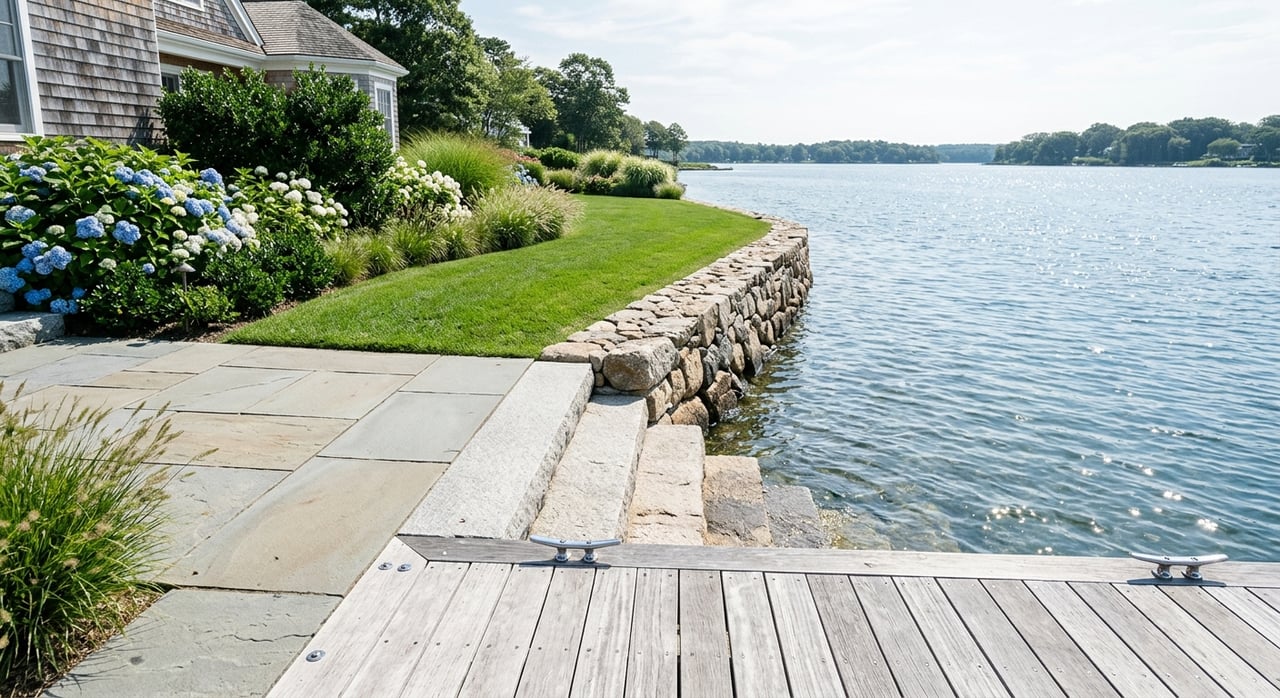
If the dream is water views, direct waterfront, or a property with dock potential, your due diligence needs to start early. Coastal homes can involve different insurance, permitting, and improvement considerations than inland properties.
The Connecticut DEEP overview of the National Flood Insurance Program notes that all Connecticut municipalities participate in the program and that FEMA flood maps identify Special Flood Hazard Areas. FEMA also notes that flood insurance is required for most loans on properties in those areas.
For you as a buyer, that means flood-zone review should happen early in the process. It is not just an insurance line item. It can affect lender requirements and your total monthly carrying costs.
If you are looking at a property with an existing dock, or you hope to add one later, do not assume improvements are simple. Connecticut DEEP’s coastal permitting overview explains that residential docks and similar coastal structures are regulated, and changes or additions may require permit review.
That does not mean a waterfront property is not worth pursuing. It means you should verify what exists, what is permitted, and what may be involved if you want to make changes after closing.
Second-home demand in New London County is closely tied to the warmer months. CTvisit’s summer-only guide highlights destinations like Rocky Neck State Park, Niantic Bay Beach, duBois Beach in Stonington, Sound View Beach in Old Lyme, and Ocean Beach Park in New London.
This pattern is important because it can shape both buyer demand and your own lifestyle planning. If your ideal second home revolves around beach days and summer weekends, that seasonality may be a plus. If you plan to use the property often in winter, you will want to think more carefully about maintenance, access, and how the home performs in colder weather.
A second home is never fully hands-off, especially in a coastal climate. If you live outside the area and plan to leave the property vacant for stretches of time, routine oversight becomes part of ownership.
The University of Minnesota Extension winter home guidance notes that owners who are away should lower heat and shut off or drain pipes that are not used frequently to help reduce freeze risk. In real life, many second-home owners also need support for cleaning, lawn care, snow removal, post-storm checks, and general upkeep.
That is one reason New London County’s transportation network is helpful. With rail, road, water, air, and ferry access noted on the state’s regional page, visiting the property regularly can be easier than in a more isolated vacation market.
If you are serious about buying a second home here, it helps to compare homes with the ownership experience in mind, not just the view or the photos.
Keep these points high on your list:
A great second home should fit your lifestyle and your comfort level with upkeep and carrying costs. In New London County, that balance can look very different from one shoreline town to the next.
If you want a second home with coastal or waterfront complexity, experienced guidance can make the process much smoother. Cheryl Finley brings a consultative, detail-focused approach to properties where flood zones, waterfront features, and long-term stewardship matter, helping you move forward with more clarity and confidence.

Looking to buy, sell, or just have a question? I'm always available to help and would love to work with you. Contact me today to start your home searching journey!