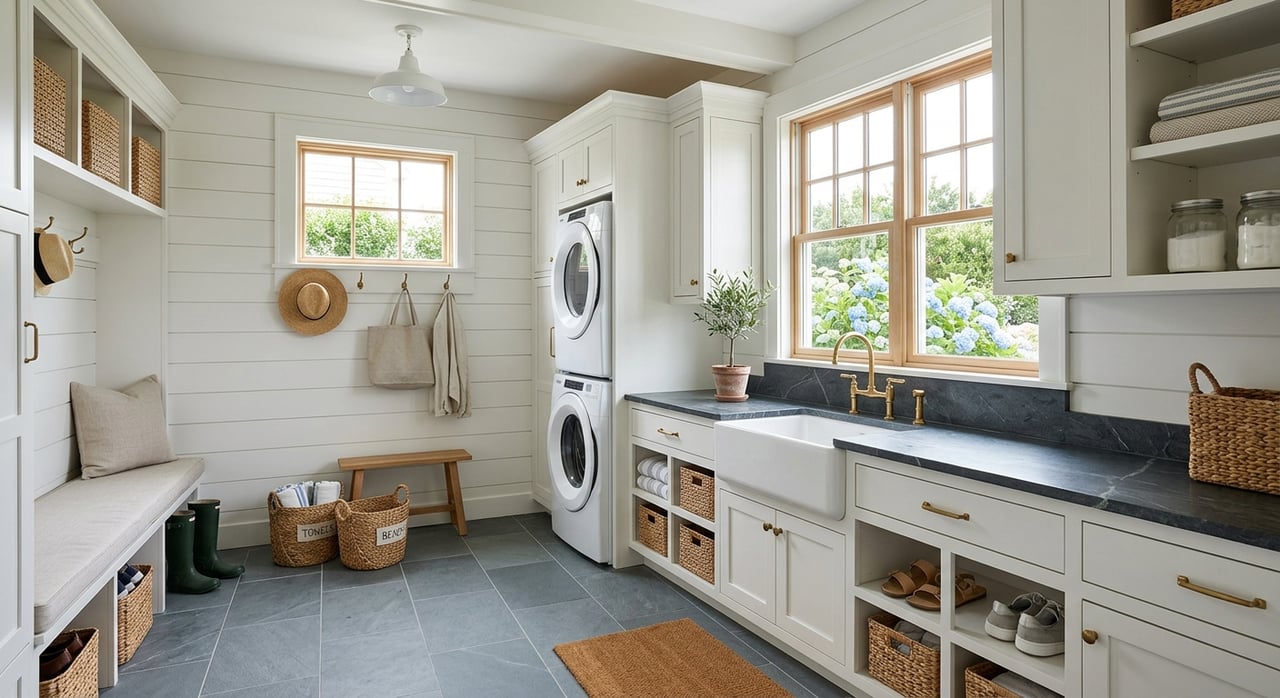
Kent County RI Second Home Management for Every Season
Owning a second home in Kent County can feel like the best of Rhode Island and the most demanding part of it at the same time. When you are not there year-round, even a small issue like a leak, heavy snow, or a missed utility problem can turn into a costly repair. The good news is that with the right local plan, you can protect your property, reduce stress, and stay ahead of seasonal risks. Let’s dive in.
A second home in Rhode Island needs more than occasional check-ins. The Rhode Island Department of Environmental Management says the state's annual average temperature typically ranges from 49°F to 52°F, and winter weather in and around Kent County can bring meaningful snow totals.
In western Kent County, annual snowfall can range from about 40 to 60 inches. At Warwick and T.F. Green Airport, normal annual snowfall is 36.6 inches, with 10.3 inches in January and 10.5 inches in February. DEM also notes that flooding is one of Rhode Island’s most common and dangerous natural hazards, which makes year-round oversight especially important.
If you live out of town for part of the year, your first priority should be building dependable local support before you need it. A strong team can help you respond faster, keep regular eyes on the house, and handle routine upkeep that is hard to manage from a distance.
For many second-home owners, that support starts with understanding the difference between home watch and property management. They are not the same service, and choosing the right fit can save you time and money.
The National Home Watch Association describes Home Watch as scheduled, in-person inspections of vacant or unoccupied homes. These visits often check for leaks, mold, storm damage, pest activity, forced entry, and the condition of HVAC systems, plumbing, doors, and windows.
Property management is broader. The National Association of Residential Property Managers describes it as day-to-day operational work that can include tenant screening, rent collection, maintenance coordination, lease enforcement, and financial reporting.
If your Kent County property is a true second home that sits empty part of the year, home watch plus reliable local contractors may be enough. If the home is rented out or has frequent turnover, professional management may make more sense.
Your local network should also include trusted service providers for seasonal and emergency needs. That may include HVAC technicians, plumbers, electricians, landscapers, snow removal providers, and septic or well professionals if the property uses private systems.
Rhode Island Energy says you can start, stop, or transfer service up to 40 business days in advance. It also provides 24/7 outage reporting, gas leak reporting, and emergency contacts, which makes utility planning easier when you are opening or closing the home for the season.
If you are planning any digging or exterior work, Rhode Island DigSafe says to call 811 before excavation. That simple step matters when buried utility lines could be affected.
If your second home has a private well, the Rhode Island Department of Health says well water should be tested regularly and that owners should contact a well professional about inspections. If the property has a septic system, DEM says tanks should be pumped regularly, typically every 2 to 5 years depending on system size and use.
DEM also notes that advanced treatment units need an active maintenance contract. Staying on a calendar for these systems is one of the easiest ways to avoid preventable problems.
When you return to the home after an extended absence, resist the urge to jump straight into relaxing. A careful reopening routine helps you catch issues before they grow.
Start with utilities, then walk the exterior, then inspect the interior. That order gives you a practical way to spot visible damage and safety concerns before settling in.
A strong opening routine can include:
Home Watch guidance and FEMA’s vacant-home framework both support scheduled monitoring and inspection. Ready.gov also recommends smoke and carbon monoxide detectors with battery backups, along with basic weatherization to help protect the home.
Closing the house properly matters just as much as opening it. A rushed departure can leave behind conditions that cause expensive damage during the colder months.
Before you leave for the season, focus on plumbing protection, heating readiness, safety devices, and basic security. Those steps are especially important in a state where winter weather and flooding risks can affect a vacant property.
Use a repeatable checklist each time you close the home:
Ready.gov says home heating is the second leading cause of home fires and that most home fires happen in winter. FEMA also recommends practical security measures such as light timers, locked openings, and maintaining visibility from the street.
If your Kent County second home uses a well or septic system, do not wait for a problem before calling for service. DEM says septic systems need regular pumping based on inspection results, and RIDOH says wells should be kept sanitary with a properly sealed cap and a clear area around them.
These systems are easy to forget when a home is unoccupied. Putting them on a maintenance calendar helps protect both the property and your time.
A second home should not rely on luck between visits. The best approach is a routine inspection schedule with extra visits after major weather events.
This matters in Rhode Island because RIEMA identifies winter weather risks that include snow, blizzards, ice, and extreme cold. Atlantic hurricane season also runs from June 1 through November 30, so summer and fall need close attention too.
A practical home-watch visit should include both the interior and exterior of the property. According to the National Home Watch Association, the most useful checks are the ones that can be repeated consistently.
That usually means looking for:
In Kent County, it also makes sense to schedule extra checks after major snow, wind, or rain events. Water intrusion, blocked access, and drainage problems can all worsen quickly if no one sees them early.
Distance makes emergencies harder to manage, so planning ahead is essential. RIEMA encourages Rhode Island residents to make a plan, build a kit, keep an emergency contact list that includes an out-of-state contact, and check that kit twice a year.
It also encourages residents to sign up for emergency notifications. For a second-home owner, that planning can make response time much faster when severe weather or an outage affects the property.
Your emergency plan should include:
The goal is simple. If something happens when you are away, you want clear next steps instead of last-minute scrambling.
Not every second home needs full property management. But some do, especially when the property is rented, has frequent turnover, or requires quick operational decisions that are hard to handle remotely.
A home-watch arrangement is usually enough when you want periodic oversight and updates. A property manager makes more sense when you need one party to handle maintenance coordination, tenant-related tasks, rent collection, lease enforcement, and reporting.
If you cannot respond quickly to outages, leaks, storm damage, or urgent maintenance issues, the property may be beyond simple watch-and-report coverage. In that case, stepping up to more comprehensive support can help protect the home and your peace of mind.
For many buyers and owners of second homes in Kent County, the right answer is not one-size-fits-all. It depends on how often you use the home, whether it is rented, and how hands-on you want to be.
Managing a Rhode Island second home well is really about creating a system you can trust. With a seasonal routine, reliable local support, and regular inspections, you can spend less time worrying about the property and more time enjoying it. If you are buying, selling, or planning your next move in Kent County, Cheryl Finley offers thoughtful, personalized guidance backed by strong local knowledge and a trusted network of professionals.

Looking to buy, sell, or just have a question? I'm always available to help and would love to work with you. Contact me today to start your home searching journey!