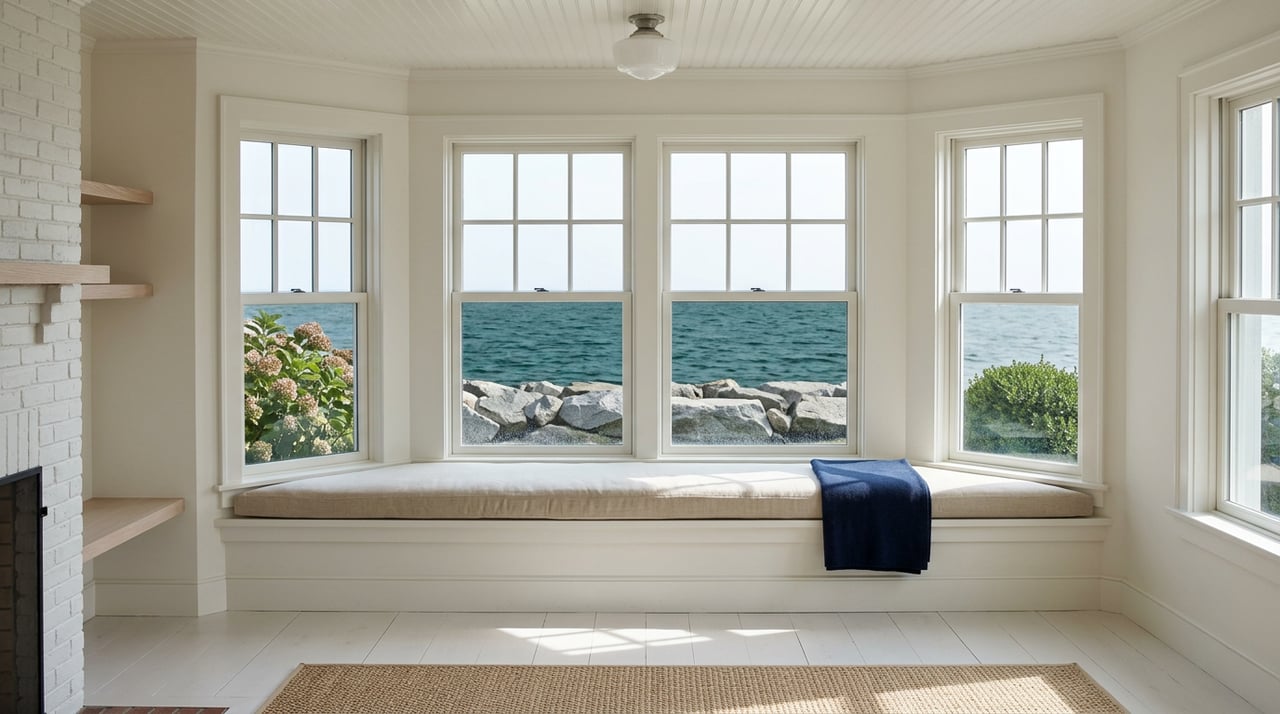
Explore Newport County Second Homes Lifestyle
Dreaming of a coastal getaway where mornings start with salt air and evenings end under harbor lights? If you are weighing a second home in Newport County, you want a lifestyle that fits your calendar, budget, and comfort level with coastal logistics. In this guide, you will compare the main second-home lifestyles across the county, understand the seasonal rhythm, and get clear on short-term rental rules, flood risk, and maintenance. Let’s dive in.
Newport County includes the city of Newport plus Middletown, Portsmouth, Jamestown, Tiverton, and Little Compton. Each town offers a different coastal pace, from walkable historic streets to quiet farm-and-shore enclaves. Summer is lively, while late fall through spring is calmer and easier for low-key escapes.
For pricing context, county-level averages often sit in the mid-six figures. Indexed measures from sources like Zillow can read higher than recent MLS-based medians reported by platforms like Redfin. That difference is normal because one tracks a broad value index and the other tracks closed-sale medians. Your best move is to use both as context, then confirm neighborhood-level comparables with local expertise.
If you want a weekend base you can enjoy without a car, in-town Newport delivers. You can stroll Thames Street, the harborfront wharves, the Cliff Walk, and Easton’s Beach. The city’s historic character and events centered on the Newport Mansions are a major draw. To understand how these landmarks shape the cultural calendar, explore the Preservation Society of Newport County.
Typical properties include small historic cottages, rowhouses, Victorian conversions, and harbor-area condos. You can expect higher price-per-square-foot for prime locations and competition for well-renovated, move-in-ready homes. The trade-off is unparalleled access to dining, galleries, and seaside paths.
If your year revolves around the racing schedule, look near Newport Harbor and marina neighborhoods. Mornings on the mooring, afternoons on the water, and evenings at dockside gatherings create a distinct social rhythm. The New York Yacht Club and the area’s regattas help anchor this scene. Learn more about the club’s history and role via the New York Yacht Club.
Popular options include waterfront houses with private docks or nearby slips, marina-side condos above retail, and compact cottages with quick water access. Timing matters. Major racing weeks bring energy and demand, which can influence both availability and short-term rental interest.
On the Sakonnet side in Little Compton and Tiverton, life slows down. You will find stone walls, farm lanes, and quieter beaches, with strong conservation stewardship. A signature place is Goosewing Beach Preserve, an iconic coastal landscape protected for wildlife and public enjoyment. Get a feel for the setting by visiting Goosewing Beach Preserve.
Homes here range from classic farmhouses to shingle-style coastal houses and modest beach cottages. Lots can be larger, privacy is a priority, and many properties rely on septic systems and private wells. Verify system age, design, and any recent repairs before you close.
If your picture of summer includes sandy stretches with lifeguards and easy day-use amenities, look to Middletown around Second Beach and Sachuest Point, plus pockets of Portsmouth. You will also find trail networks and birding opportunities that add year-round appeal. For a sense of the outdoor scene, browse these local hikes and coastal outings.
Typical properties include shingle cottages and single-family homes within a short drive to the beach. Many buyers see these areas as a balance of convenient beach access and broader price options compared to central Newport.
From June to September, the county fills with visitors. Restaurants and shops operate at full tilt, and the harbor is active with regattas and charters. Signature music events, including the Folk and Jazz festivals at Fort Adams, shape both culture and short-term rental demand. Stay current on dates and logistics through the Newport Festivals Foundation.
September often brings clear weather and a calmer pace, plus special events. The Newport International Boat Show draws boaters and buyers, and food and wine events extend the season just a bit. If you want to feel the coastal lifestyle without peak crowds, this window is a smart time to visit. Get show details at the Newport International Boat Show.
Late fall through spring is peaceful. Some seasonal businesses scale back, which offers a realistic view of winter comfort, heating, and maintenance. If you plan to use your home throughout the year, touring in the quiet season can help you test insulation, draft points, and parking dynamics without the summer buzz.
Short-term rental regulations vary by town and can be detailed. Newport adopted a registration and Transient Guest Facility framework in 2022, and neighboring towns have their own registration requirements, occupancy limits, and enforcement tools. A helpful overview that compares local approaches is available in Middletown’s short-term rental summary. Always verify the current municipal code before you count on rental income.
Quick tips:
Sea-level rise and coastal flooding are material factors for waterfront and near-water properties. For a high-level view of tidal flooding patterns and scenarios, use NOAA’s high-tide flooding resources. For parcel-level determinations, check FEMA’s Map Service Center to identify the flood zone, base flood elevation, and any map change letters for your address. Start with the FEMA Map Service Center.
Action steps for buyers:
A coastal second home asks for a bit more planning. Salt air and winter weather mean you should budget for proactive care and off-season oversight.
Use this quick checklist:
“How much should I budget near the water?” It depends on town, distance to the shore, and renovation level. County-level averages often land in the mid-six figures. In-town Newport and true waterfront addresses typically command significant premiums, and many downtown cottages and waterfront homes trade well into seven figures. To right-size your search, pair county context from broad indexes with recent neighborhood comps and on-the-ground insight.
When reviewing online pricing snapshots, remember you are comparing different measurement tools. Indexed home value measures can diverge from recent MLS-based sale medians in the short term. Both can be useful for trend context. Your final decision should rest on verified local comparables and property-specific factors like flood zone, parking, and renovation quality.
Bring a notepad for parking, noise, and sun exposure notes, plus a list of municipal rental rules to verify for any address that interests you.
Choosing the right second home is personal. You deserve boutique guidance backed by deep waterfront knowledge and national brokerage resources. With more than 25 years of transaction experience and a focus on coastal and lakefront properties, Cheryl helps you weigh lifestyle fit, flood and septic details, rental rules, and long-term resale factors. From touring to negotiation and closing, you receive attentive, full-service representation and access to trusted local vendors.
If Newport County is on your mind, let’s tailor a plan to your goals. Schedule your Personal Consultation with Cheryl Finley.



Looking to buy, sell, or just have a question? I'm always available to help and would love to work with you. Contact me today to start your home searching journey!